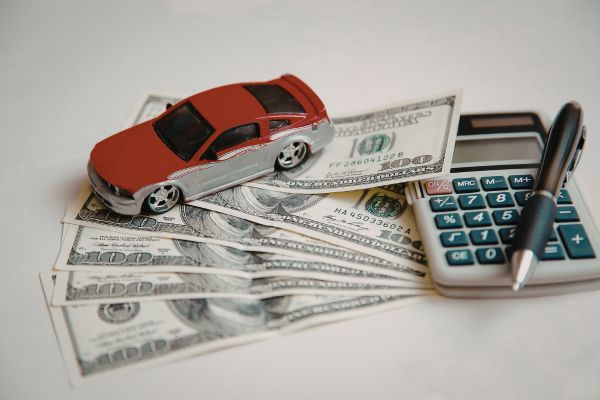
Buying a car is one of those milestones that feels both exciting and intimidating. You picture the freedom, the comfort, maybe even that new-car smell—but then reality sets in. Most people don’t pay for a car all at once. Instead, they rely on financing. If you’ve ever wondered how car loans work, you’re not alone. The process can feel opaque, full of jargon, and slightly stacked against first-time buyers.
This guide breaks it all down in plain language. No sales pitch. No fine-print panic. Just a clear explanation of what’s actually happening when you take out a car loan—and what it means for your money over time.
What a car loan really is
At its core, a car loan is a straightforward agreement. A lender gives you money to buy a vehicle, and you promise to pay it back over time with interest. The car itself acts as collateral, which means the lender can take it back if you stop making payments.
Unlike credit cards or personal loans, car loans are tied to a specific purchase. You don’t get flexible spending power—you get a car, and the loan exists because of that car. This makes auto loans less risky for lenders, which is why interest rates are usually lower than unsecured loans.
Still, “lower” doesn’t mean cheap. The structure of the loan matters a lot.
Where car loans come from
Car loans can be offered by banks, credit unions, online lenders, or dealerships themselves. While the source might feel like a small detail, it can shape the entire experience.
Banks and credit unions tend to offer more transparent terms and often lower interest rates, especially if you already have a relationship with them. Dealership financing is convenient and fast, but it sometimes bundles financing decisions into the emotional rush of buying a car. That’s where people often agree to terms they don’t fully understand.
No matter where the loan comes from, the mechanics stay the same. The difference is in cost, clarity, and control.
The role of interest and why it matters so much
Interest is the price you pay for borrowing money. It’s usually expressed as an annual percentage rate, or APR. That number might look small—five percent, seven percent, maybe more—but over several years, it adds up.
Car loans typically use simple interest, calculated based on the remaining balance. Early in the loan, a larger portion of your payment goes toward interest rather than the principal. Over time, that balance shifts, and more of your payment reduces what you actually owe.
This is why shorter loan terms usually cost less overall, even though the monthly payment is higher. You’re giving interest less time to accumulate.
Loan terms and how long you’ll be paying
The loan term is the length of time you have to repay the loan. Common terms range from three to seven years, though longer terms are becoming more common.
Longer terms lower the monthly payment, which can feel like a relief when you’re staring at a tight budget. But they also increase the total interest paid and raise the risk of owing more than the car is worth. Cars depreciate quickly, especially in the first few years, and long loans can trap you in that gap.
Shorter terms demand more discipline upfront, but they usually leave you in a stronger financial position later.
Down payments and why they change everything
A down payment is the money you put toward the car upfront. The rest is financed. While some loans allow zero down, that doesn’t mean it’s a good idea.
A down payment reduces the amount you borrow, which lowers interest costs and monthly payments. It also gives you instant equity in the vehicle, protecting you from depreciation shocks. If the car is totaled or sold early, you’re less likely to owe money on something you no longer have.
Even a modest down payment can dramatically improve how a car loan feels over time.
Credit scores and their quiet influence
Your credit score doesn’t just affect whether you get approved—it affects how expensive the loan becomes. Lenders use credit scores to estimate risk. The higher the score, the more confident they feel about getting paid back.
A strong credit profile can mean lower interest rates, better loan options, and more negotiating power. A weaker score doesn’t lock you out entirely, but it often comes with higher rates and stricter terms.
What surprises many people is how small differences in interest rates can translate into thousands of dollars over the life of a loan. That’s why understanding how car loans work also means understanding how credit quietly shapes the deal.
Monthly payments and what they actually include
Your monthly car payment isn’t just about the car itself. It’s a combination of principal and interest, shaped by the loan amount, interest rate, and term length.
What it doesn’t include—at least not always—are the true costs of ownership. Insurance, maintenance, fuel, registration, and repairs live outside the loan but still affect your budget. When people say they can “afford” a car based only on the monthly payment, they often underestimate the full picture.
A sustainable car loan fits comfortably alongside all those other expenses, not just on paper but in real life.
Prepayment, flexibility, and hidden fine print
Some car loans allow you to pay extra or pay off the loan early without penalty. Others quietly discourage it through fees or restrictions. This matters more than it seems.
Paying extra toward the principal can reduce interest and shorten the loan’s life. It’s one of the few ways borrowers can regain control after signing the paperwork. Before agreeing to a loan, it’s worth knowing whether early payoff is welcomed or punished.
Flexibility isn’t flashy, but it can save you money if your financial situation improves.
What happens when things don’t go as planned
Life changes. Jobs shift. Emergencies happen. When car payments become hard to manage, the structure of the loan suddenly matters a lot.
Missing payments can damage credit quickly. Continued nonpayment can lead to repossession, where the lender takes the car back and sells it. Even then, you may still owe money if the sale doesn’t cover the loan balance.
Understanding this risk isn’t about fear—it’s about realism. A car loan is a long-term commitment, and it deserves that level of respect.
New cars versus used cars and loan differences
Car loans work the same way for new and used vehicles, but the terms often differ. New cars usually qualify for lower interest rates because they’re seen as less risky collateral. Used cars, especially older ones, may come with higher rates and shorter maximum terms.
That doesn’t mean used cars are a bad financial choice—often the opposite. But it does mean the loan needs closer attention to ensure the numbers still make sense.
The emotional side of borrowing for a car
Car loans are rarely just financial decisions. They’re emotional ones. Cars symbolize independence, status, safety, and identity. That emotional pull can make people rush or overlook details.
Understanding how car loans work helps slow that moment down. It gives you language for the decision, not just feelings. When you know what you’re agreeing to, the purchase feels less like a leap and more like a step.
A clear ending to a complex topic
Car loans aren’t mysterious once you strip away the jargon. They’re structured agreements shaped by interest, time, credit, and choices made early in the process. When approached with clarity rather than urgency, they can be useful tools instead of lingering burdens.
Learning how car loans work isn’t about becoming a finance expert. It’s about asking better questions, reading terms with confidence, and choosing a path that fits your life—not just your driveway.