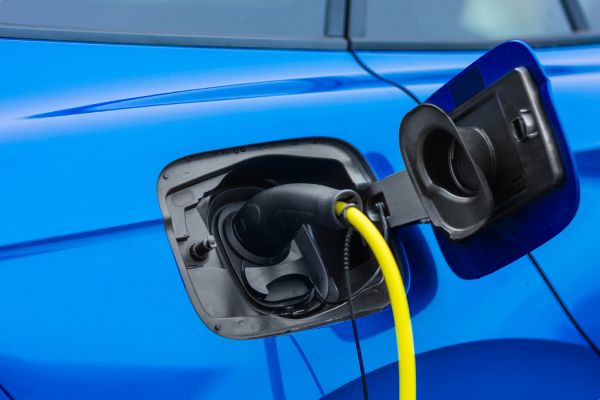
Electric vehicles have changed the way many drivers think about fuel. Instead of watching petrol or diesel prices on roadside signs, EV owners often think in kilowatt-hours, charging speeds, apps, cables, parking rules, and whether a charger is slow, fast, rapid, or ultra-rapid. It sounds simple at first. Plug in the car, add energy, pay the bill. But public EV charging costs can feel a little confusing until you understand what actually shapes the final price.
The truth is that public charging is not one single thing. A charger outside a supermarket may cost less than a high-speed charger on a motorway. A slow overnight charger near an apartment block may be priced very differently from a rapid charger designed for a quick stop during a long journey. Some drivers only use public charging once in a while. Others rely on it every week because they do not have a driveway or home charger. That difference matters because public charging habits can have a real effect on the cost of owning an electric car.
Why Public EV Charging Costs Vary So Much
Public EV charging costs vary because public chargers are built for different situations. A charger in a city car park is not doing the same job as a charger at a motorway service area. One is designed for people who may leave their car for several hours. The other is meant to get drivers back on the road as quickly as possible.
The speed of the charger is one of the biggest reasons prices differ. Slower public chargers usually cost less because they use less powerful equipment and are often placed where cars stay parked for longer. Rapid and ultra-rapid chargers are more expensive to install, operate, and maintain. They also deliver power much faster, which is why they often come with a higher price per unit of electricity.
Location also plays a role. A charger in a busy commercial area may have higher operating costs than one in a quieter public car park. Land rental, maintenance, electricity supply upgrades, payment systems, and network fees all become part of the price. From the driver’s seat, it may just look like a plug and a screen. Behind it, there is a surprisingly complicated business of keeping the charger available, connected, safe, and working.
Understanding Price Per Kilowatt-Hour
Most drivers find public EV charging easier to understand when they think in kilowatt-hours, usually written as kWh. A kilowatt-hour is a unit of energy. In simple terms, it is the amount of electricity added to the battery. If a charger charges by kWh, you pay for the energy your car receives.
This is the closest EV equivalent to paying per litre or gallon of fuel. The difference is that cars use electricity at different rates depending on their efficiency, speed, temperature, road conditions, and driving style. A larger electric SUV will usually use more energy than a compact EV. Cold weather can also increase energy use because the battery and cabin may need heating.
For example, if you add 40 kWh at a public charger, your total cost depends on the charger’s price per kWh. That same 40 kWh may cover a different distance in different vehicles. This is why two EV drivers can pay the same charging bill but get different real-world mileage from it.
Charging Speed Changes the Cost Experience
Charging speed affects not only the price but also how drivers feel about the value they are getting. A slower charger may be cheaper, but it requires more time. A rapid charger may cost more, but it can be worth it during a road trip when time matters.
Level 2 or standard public chargers are often useful for longer stops. They make sense when the car is parked while the driver is working, shopping, eating, or staying somewhere for a few hours. In those situations, speed is less important because the car is charging during time that would be spent parked anyway.
DC fast chargers are different. They are built for convenience and movement. Drivers use them when they need a meaningful top-up in a shorter period. That convenience usually costs more. It is similar to buying food at an airport or fuel on a motorway. The price reflects not just the product, but the location and urgency.
The Hidden Costs Drivers Sometimes Miss
The charging price shown on an app or charger screen is not always the whole story. Some public charging stations include extra costs that can catch new EV drivers by surprise. Idle fees are one example. These are charges applied when a car remains plugged in after it has finished charging or after a grace period ends. The idea is to stop drivers from blocking chargers that others need.
Parking fees can also matter. A charger may appear reasonably priced, but if it sits inside a paid car park, the total cost of the session may be higher than expected. Some places offer free parking while charging, while others treat charging and parking as separate costs.
There may also be connection fees, session fees, or different prices for members and non-members. Some charging networks offer lower rates through subscriptions or account-based pricing, but that only makes sense if the driver uses that network often enough. For occasional users, paying a monthly fee may not save much.
Why Home Charging Is Usually Cheaper
For many EV owners, home charging remains the cheapest and most convenient option. This is mostly because residential electricity rates are often lower than public charging rates, and there are no public network costs added on top. Charging overnight can also be easier on the routine. The car sits parked, the battery fills slowly, and the driver wakes up with enough range for the day.
But not everyone has access to home charging. Apartment residents, renters, city drivers, and people without off-street parking may depend heavily on public chargers. For them, public EV charging costs are not occasional travel expenses. They are part of everyday vehicle ownership.
This is one of the biggest fairness issues in the EV conversation. Drivers with private driveways often get the cheapest charging. Drivers who rely on public infrastructure may pay more, even if they drive fewer miles. As public charging networks grow, the hope is that more competition and better access will make costs easier to manage.
How Battery Size Affects What You Pay
Battery size changes the total charging bill, but not always in the way people expect. A larger battery costs more to fill from empty because it holds more energy. However, most drivers rarely charge from completely empty to completely full at a public charger. More often, they top up from around 20 percent to 70 or 80 percent, especially on longer trips.
Charging also slows down as the battery gets closer to full. This is why many EV drivers stop fast charging at around 80 percent unless they really need the extra range. The last part of the battery can take longer, which may reduce the value of staying plugged into a rapid charger.
A smaller battery may cost less to charge in one session, but it may need charging more often. A larger battery may cost more per session, but it can travel farther between stops. The real question is not just “How much does it cost to fill the battery?” It is “How much does it cost to drive the miles I actually need?”
Public Charging on Road Trips
Road trips are where public charging costs become more noticeable. At home, charging can become part of the background of daily life. On a long journey, every charging stop becomes part of the travel plan.
The best approach is to think of public rapid charging as a convenience tool rather than the default source of energy. Starting a trip with a full battery from home, when possible, can reduce the amount of expensive charging needed on the road. Planning stops around meals or rest breaks can also make charging feel less like waiting and more like part of the journey.
Still, drivers should expect motorway and highway charging to cost more than slower local charging. The benefit is speed and availability. When you are far from home and need range quickly, paying more for rapid charging can be reasonable. The key is knowing when it is worth it and when a slower, cheaper charger would do the job.
How to Estimate Your Real Charging Cost
The easiest way to estimate public charging cost is to look at three things: your car’s efficiency, the price per kWh, and the amount of energy you need. An efficient EV uses less energy to travel the same distance, which lowers the cost per mile. A less efficient vehicle, especially a larger SUV or performance model, will usually cost more to run.
A simple mental shortcut is to focus on cost per mile rather than cost per charge. A charging session can look expensive if the battery is large, but what really matters is how far that energy takes you. Drivers who mostly use slower public chargers may still keep running costs fairly manageable. Drivers who rely almost entirely on rapid charging will usually spend more.
Weather and driving style should not be ignored either. Fast motorway driving uses more energy than gentle city driving. Cold temperatures can reduce range. Heavy loads, roof boxes, and frequent acceleration can also increase consumption. Public charging costs are not just about the charger; they are also about how the car is used.
Smart Ways to Keep Public Charging Costs Under Control
The most practical way to control public EV charging costs is to match the charger to the situation. Use slower chargers when the car will be parked for a while. Save rapid chargers for longer journeys or times when speed genuinely matters.
Checking prices before plugging in also helps. Charging apps often show the cost, speed, availability, and sometimes parking conditions. It is worth taking a minute to compare nearby options, especially in areas with several networks. Two chargers a short distance apart can have very different prices.
Avoiding idle fees is another simple habit. Once the car has enough range, move it if the charging station is busy or if the network charges extra after the session ends. It is better for your wallet and better for other drivers waiting to charge.
Regular public charging users may also benefit from network memberships, but only when the math makes sense. A subscription can be useful for someone who charges often on the same network. For a driver who only uses public charging occasionally, pay-as-you-go may be simpler.
The Bigger Picture Behind Charging Prices
Public charging is still developing. Networks are expanding, charger speeds are improving, and payment systems are becoming easier to use. At the same time, electricity prices, grid demand, maintenance costs, and local regulations continue to influence what drivers pay.
This means public EV charging costs will keep changing. In some places, competition may push prices down or create more flexible options. In others, high energy costs and expensive infrastructure may keep rapid charging relatively costly. The market is still young compared with traditional fuel stations, and it is going through the messy stage that often comes with new infrastructure.
For drivers, the best mindset is flexibility. Public charging does not have to be confusing, but it does reward a little planning. Knowing the difference between slow and rapid charging, watching for extra fees, and understanding your car’s efficiency can make the whole experience less stressful.
Conclusion
Public EV charging costs are not fixed, simple, or the same everywhere. They depend on charger speed, location, network pricing, parking rules, battery size, and the way you drive. For some EV owners, public charging is an occasional backup. For others, it is the main way to keep the car moving.
The good news is that the costs become easier to understand with experience. Once you know when to use a slower charger, when rapid charging is worth the premium, and how much energy your car really needs, public charging starts to feel less mysterious. It becomes part of the rhythm of electric driving: sometimes quick, sometimes slower, sometimes more expensive than expected, but manageable with the right habits.