An oil change is one of those routine car maintenance tasks that’s easy to delay. Life gets busy, the car seems to be running fine, and suddenly thousands of miles have passed. Yet, beneath the hood, engine oil is doing some of the hardest work imaginable. It lubricates moving parts, manages heat, and helps prevent premature wear. When oil degrades or runs low, the engine pays the price quietly at first—and expensively later.
For drivers who rely on their vehicles daily, staying consistent with maintenance is less about perfection and more about prevention. A well-timed oil change keeps an engine running smoothly, improves fuel efficiency, and extends the overall life of the vehicle. In communities where driving is a daily necessity rather than a luxury, this simple service plays a surprisingly important role in keeping life moving.
Understanding How Engine Oil Works Over Time
Fresh engine oil starts out clean, slick, and effective. As miles accumulate, it begins to break down. Heat, friction, and contaminants slowly reduce its ability to protect engine components. Microscopic metal particles, dirt, and carbon deposits mix into the oil, turning it darker and thicker.
Over time, degraded oil struggles to circulate properly. This increases friction between engine parts, which leads to higher operating temperatures and accelerated wear. Left unchanged for too long, oil can even form sludge, blocking vital passages and starving parts of lubrication. What starts as skipped maintenance can end as costly engine damage.
Modern engines are built with tighter tolerances and advanced technology, making proper oil quality more important than ever. Even vehicles that feel “fine” can suffer unseen damage when oil changes are ignored.
Driving Habits and Local Conditions That Affect Oil Life
Not all miles are created equal. How and where a vehicle is driven significantly impacts how quickly oil breaks down. Short trips, frequent stop-and-go driving, and long periods of idling all put extra stress on engine oil. In these conditions, oil doesn’t always reach optimal temperature, allowing moisture and fuel residues to remain trapped.
Seasonal temperature changes also play a role. Cold starts in winter force oil to work harder as it thickens in low temperatures. In warmer months, higher heat accelerates oil breakdown. Vehicles driven daily through varying conditions need more attentive maintenance than those used occasionally.
Understanding how personal driving habits affect oil longevity helps drivers make better decisions about service intervals rather than relying solely on generic mileage recommendations.
Conventional, Synthetic, and Blended Oils Explained
Oil technology has evolved significantly over the years. Conventional oil, derived from refined crude, has long been a standard option. It performs adequately under normal conditions but typically requires more frequent changes.
Synthetic oil, engineered for performance, offers improved resistance to breakdown, better temperature stability, and enhanced engine protection. Many newer vehicles are designed to run on synthetic oil due to tighter engine tolerances and efficiency demands.
Synthetic blends attempt to balance cost and performance by mixing conventional and synthetic oils. Choosing the right type depends on the vehicle’s design, mileage, and how it’s driven. While synthetic oil often costs more upfront, its longer lifespan and protective qualities can make it a practical choice over time.
Warning Signs That an Oil Change Is Overdue
Some vehicles provide dashboard reminders, but not all warnings are electronic. A rough or noisy engine can signal insufficient lubrication. Oil that appears dark and gritty on the dipstick is another red flag. In some cases, the engine may run hotter than usual or experience reduced fuel efficiency.
Ignoring these signs doesn’t usually lead to immediate failure, which makes it tempting to postpone service. The real damage happens gradually. Bearings wear down, seals harden, and internal components suffer increased friction. By the time symptoms become obvious, repairs may already be costly.
Paying attention to subtle changes in how a car feels or sounds can help drivers act before small issues turn into major ones.
How Regular Oil Changes Support Long-Term Vehicle Value
A vehicle is often one of the most significant investments people make. Consistent maintenance directly affects its longevity and resale value. Service records showing regular oil changes demonstrate responsible ownership and reassure future buyers that the engine has been cared for.
Beyond resale, there’s the everyday benefit of reliability. Engines maintained with clean oil are less likely to suffer unexpected breakdowns. They start more easily, run more quietly, and maintain consistent performance. Over the life of a vehicle, the cumulative benefits of routine oil changes far outweigh the cost.
This preventive approach aligns with a broader mindset of caring for what we rely on daily rather than reacting only when something breaks.
Choosing the Right Interval for Your Vehicle
While older advice often suggested oil changes every 3,000 miles, modern vehicles and oils have expanded that range significantly. Many manufacturers now recommend intervals between 5,000 and 10,000 miles, depending on oil type and driving conditions.
That said, manufacturer guidelines are a starting point, not a universal rule. Vehicles used for frequent short trips, towing, or heavy traffic may benefit from more frequent service. Consulting the owner’s manual and considering real-world driving habits leads to more accurate maintenance decisions.
Sticking to a thoughtful schedule helps balance convenience, cost, and engine protection.
Oil Changes as Part of a Bigger Maintenance Picture
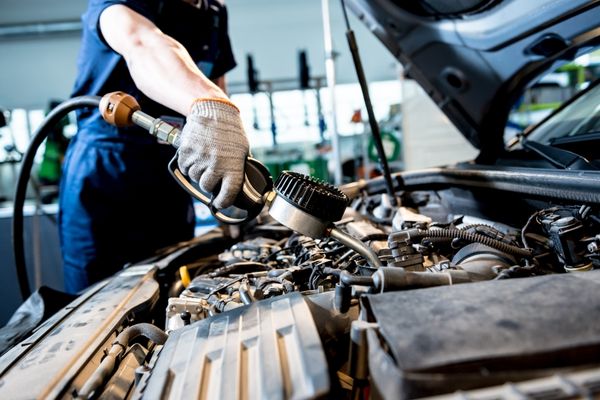
An oil change appointment often includes more than just replacing oil and a filter. It’s an opportunity to check fluid levels, inspect belts and hoses, and identify potential issues early. These routine check-ins can catch minor concerns before they become serious problems.
Regular maintenance creates a relationship between drivers and their vehicles. Instead of reacting to warning lights or breakdowns, drivers stay informed about their car’s condition. This proactive approach reduces stress and helps ensure safer, more dependable transportation.
Finding Reliable Oil Change Service in Clintonville
In a neighborhood where many people depend on their vehicles for commuting, errands, and family responsibilities, reliable automotive care matters. Consistency, clear communication, and attention to detail make routine services feel less like chores and more like responsible habits.
For drivers looking to learn more about local service options, resources such as oil change Clintonville OH can provide helpful information in a straightforward, informational way without pressure or exaggeration. Clintonville Automotive Repair has served the area for years, making it a familiar presence for residents seeking dependable vehicle care.
A Thoughtful Approach to an Everyday Necessity
An oil change may seem simple, but its impact reaches far beyond the service bay. It protects one of the most complex systems in a vehicle and supports long-term reliability, efficiency, and peace of mind. By understanding how oil works, recognizing the signs of wear, and respecting the demands placed on modern engines, drivers can make smarter decisions about maintenance.
In the end, caring for a car isn’t about perfection or obsession. It’s about consistency and awareness. Regular oil changes represent one of the easiest ways to honor that responsibility, keeping vehicles running smoothly and lives moving forward with fewer interruptions.