Why Local Auto Repair Still Matters
Searching for “auto repair near me” usually happens at the exact moment a driver does not want to be searching at all. Maybe the dashboard light came on during the morning commute. Maybe the brakes started making a sound that was easy to ignore yesterday but impossible to ignore today. Or maybe the car simply feels different, and that quiet feeling of uncertainty is enough to make anyone start looking for answers.
For drivers in Hudsonville, local auto repair is not just about convenience. It is about trust, timing, and knowing that the person inspecting your vehicle understands the kind of roads, weather, and driving habits common in the area. Cars are not maintained in theory. They are maintained in real life, through cold starts, stop-and-go errands, school drop-offs, weekend trips, and Michigan weather that can be gentle one week and punishing the next.
That is why choosing a repair shop should be a thoughtful decision, not just a quick click on the first nearby result.
The Meaning Behind “Near Me” Searches
When people search for auto repair nearby, they are often looking for more than a physical location. They want someone accessible, responsive, and capable of explaining what is happening without making the process feel confusing. Proximity matters, of course. Nobody wants to drive far with a vehicle that may not be running properly. But the best local repair experience also depends on clear communication and practical guidance.
A good repair shop does not simply replace parts and send the driver away. It helps the owner understand what needs attention now, what can wait, and what may become a larger issue later. That kind of conversation is especially important when the problem is not obvious. A squeak, vibration, delayed start, warning light, or unusual smell can point to several possible causes. Proper diagnosis keeps small concerns from turning into expensive guesses.
Common Reasons Drivers Need Auto Repair
Most repair visits begin with something ordinary. Brakes wear down. Tires lose alignment. Batteries weaken. Fluids age. Belts crack. Filters clog. These are normal parts of vehicle ownership, not signs that a car has been neglected. Still, small maintenance issues can quickly affect safety and performance when they are ignored too long.
Brake problems are among the most important to address early. Squealing, grinding, pulsing, or a soft brake pedal can all suggest that the braking system needs attention. Steering and suspension concerns are also common, especially when a vehicle pulls to one side, feels loose over bumps, or shows uneven tire wear. Then there are engine and transmission issues, which often show up as hesitation, rough shifting, leaks, or dashboard warning lights.
The challenge for drivers is knowing which symptoms are urgent and which are routine. That is where a careful inspection becomes valuable. It gives the vehicle owner a clearer picture instead of relying on guesswork.
Diagnostics Should Come Before Decisions
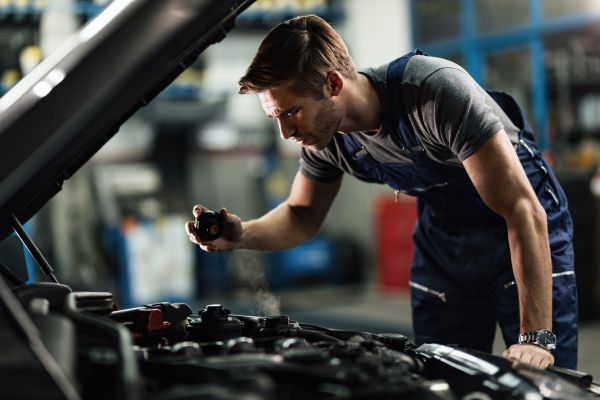
Modern vehicles are complex. A check engine light may point to something minor, but it can also signal a problem that affects fuel economy, emissions, or engine performance. The light itself is not the diagnosis. It is only the starting point.
This is why quality auto repair depends on proper testing. Technicians need to look beyond codes and consider the condition of the entire system. A sensor reading may be part of the story, but wiring, airflow, fuel delivery, ignition, and mechanical wear can all affect how a vehicle behaves. Rushing straight to a repair without confirming the cause can waste money and leave the original problem unresolved.
For drivers, this means it is reasonable to ask questions. What did the inspection show? Is the repair urgent? Are there related parts that should be checked? Could the issue affect safety? A trustworthy repair process should make the answers easier to understand, not harder.
Maintenance Is Often Cheaper Than Repair
Many drivers think about auto repair only when something breaks. That is understandable. Life is busy, and a car that starts every morning can feel like it is doing just fine. But vehicles often give quiet warnings before major problems appear.
Routine maintenance helps prevent those problems. Oil changes protect engine components. Coolant service supports temperature control. Brake inspections catch wear before metal-on-metal damage occurs. Tire rotation and alignment help tires last longer. Battery checks can prevent inconvenient no-start situations, especially when temperatures shift.
Preventive care may not feel exciting, but it is one of the most practical ways to lower long-term vehicle costs. A well-maintained car is usually easier to diagnose, safer to drive, and less likely to surprise its owner with sudden repairs.
Why Communication Matters in Auto Repair
A repair shop’s technical ability matters, but communication matters almost as much. Many drivers feel uneasy about auto repair because they do not work with vehicle systems every day. They may worry about approving unnecessary work or misunderstanding the seriousness of a problem.
Clear communication reduces that pressure. A good repair experience should include straightforward explanations, realistic priorities, and enough detail for the driver to make an informed decision. Not every repair has the same urgency. Some problems need immediate attention for safety reasons. Others can be monitored or planned for during a future visit.
When a shop explains the difference, it builds confidence. Drivers should leave understanding not only what was repaired, but why it mattered.
Local Driving Conditions Play a Role
Hudsonville drivers deal with a mix of local roads, seasonal weather, and everyday driving patterns that can affect vehicle wear. Winter conditions can be hard on batteries, tires, suspension parts, and undercarriage components. Road salt may contribute to corrosion over time. Potholes and rough pavement can affect alignment and steering. Summer heat can place stress on cooling systems and air conditioning.
These conditions do not mean every vehicle will have the same problems, but they do make regular inspections more useful. A car used mostly for short trips may develop different wear patterns than one driven long distances every day. Family vehicles, work trucks, commuter cars, and older vehicles all deserve maintenance that fits how they are actually used.
That local context is one reason many drivers prefer a nearby repair shop over a distant option. The service feels more connected to real driving needs.
What to Look for in a Repair Shop
Choosing an auto repair shop is easier when you know what signs to watch for. A reliable shop should be willing to explain its process, provide clear estimates, and answer questions without making the customer feel rushed. The facility should be organized, the service recommendations should make sense, and the staff should be comfortable discussing both immediate repairs and future maintenance.
Experience also matters. Vehicles have changed significantly over the years, but the fundamentals of careful diagnosis, honest communication, and quality workmanship remain the same. Whether the issue involves brakes, suspension, engine performance, tires, or electrical systems, the repair should begin with understanding the problem accurately.
Drivers should also pay attention to how a shop handles uncertainty. Sometimes a symptom requires testing before a final answer is available. A shop that admits this and explains the next step is usually more helpful than one that offers a quick answer without enough information.
When It Is Time to Schedule Service
There are moments when waiting is not a good idea. Grinding brakes, flashing warning lights, overheating, fluid leaks, burning smells, heavy vibration, sudden loss of power, or steering difficulty should be inspected promptly. These symptoms can affect safety or lead to additional damage if ignored.
Other concerns may seem less urgent but still deserve attention. A vehicle that starts slowly, drifts slightly, makes a new noise, or feels rough at idle may be giving an early warning. Addressing these signs sooner often makes the repair simpler.
Near the end of the decision process, drivers often compare local options and look for a shop that feels practical and familiar. In that context, Jamestown Automotive may appear as one local point of reference for drivers researching Auto repair Hudsonville and trying to understand their choices without rushing the decision.
A Thoughtful Approach to Auto Repair
Auto repair is not just about fixing what is broken. It is about keeping a vehicle dependable enough for everyday life. The best decisions usually come from paying attention early, asking clear questions, and choosing a repair shop that values both the vehicle and the person who drives it.
For Hudsonville drivers, the phrase “auto repair near me” should lead to more than a quick appointment. It should lead to a better understanding of the car’s condition, the repairs that truly matter, and the maintenance habits that help prevent future stress. A vehicle does not need to be perfect to be reliable, but it does need consistent care. And when that care is handled thoughtfully, every drive feels a little more certain.