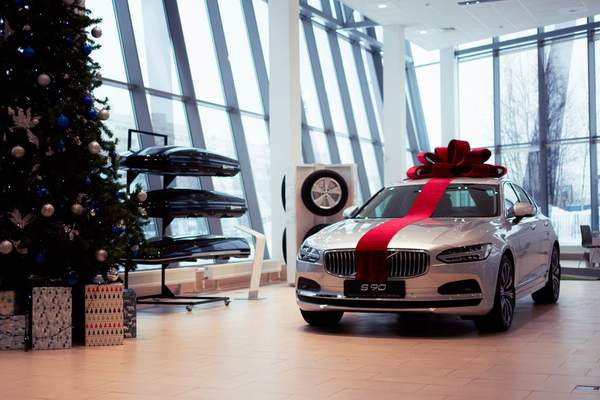
Holiday car commercials make the calendar sound like a discount code: wait for Memorial Day, Labor Day, or Black Friday and dealerships will suddenly slash thousands off every vehicle. The reality is less dramatic. Holiday sales can produce strong offers, but the date itself does not create the bargain. The best savings usually come from manufacturer incentives, inventory pressure, outgoing model years, and financing promotions.
So, are holiday car sales events worth it in 2026? Yes, especially for shoppers. But a holiday weekend is an opportunity to shop, not a guarantee that the car you want will be cheaper than it was a week earlier.
Why Holiday Car Sales Events Can Produce Real Deals
Automakers and dealers have practical reasons to promote major holiday weekends. Memorial Day sits near the start of the summer selling season, while Labor Day arrives as dealerships begin preparing for newer model-year inventory. Those conditions can encourage discounts on vehicles dealers want to move.
In 2026, the incentives are not just advertising language. Memorial Day promotions included low-APR and zero-percent financing on selected models, and some late-August manufacturer offers run into the Labor Day period. That shows a holiday car sales event can coincide with meaningful factory-backed savings.
The catch is that incentives are selective. The strongest offer may apply to one trim, a previous model year, a lease instead of a purchase, or buyers with qualifying credit. Regional availability can differ too. A Labor Day car sale banner therefore tells you much less than the actual terms attached to the specific vehicle.
The Biggest Myth: Every Holiday Discount Is Special
A dealer can advertise a holiday event even when the underlying price is almost unchanged from earlier in the month. Some promotions simply repackage an existing rebate or financing offer with seasonal branding. That does not make the deal bad, but the numbers matter more than the theme.
The most useful comparison is the out-the-door price: the vehicle price plus required dealer charges, taxes, registration, and other applicable costs. The Federal Trade Commission advises shoppers to request this figure in writing before visiting a dealership. That makes offers easier to compare.
For example, one dealer might advertise $3,000 off but add $1,800 in mandatory accessories, while another advertises only $2,000 off with a cleaner transaction. The smaller headline discount can still produce the lower final price.
When a Labor Day Car Sale Is Most Worth It
Labor Day can be especially useful for buyers open to outgoing inventory. By late summer, dealerships may be balancing current-year vehicles with incoming next-model-year stock. If a model is not changing much for the following year, the older version can become attractive when it receives cash incentives or subsidized financing.
As of late August 2026, several manufacturer-backed low-APR offers are already available, with some promotions extending toward Labor Day. If the exact car you want has a competitive incentive now, waiting for the final weekend could mean losing your preferred color or trim without getting a better price.
Are Black Friday Car Deals Usually Better?
Black Friday car deals can be competitive, but they are not automatically the lowest prices of the year. By November, dealers may have stronger motivation to clear remaining older inventory, while selection can be thinner.
For 2026, Black Friday offers have not happened yet, so any claim that a particular November deal will be the best of the year is speculation. A shopper who finds the right car at a strong September price should not assume that waiting two more months will save more.
Financing Can Matter More Than the Discount
A holiday sale may give buyers a choice between promotional financing and a cash rebate, and those incentives are not always stackable. A zero-percent or very low APR loan can save more than a modest cash discount for someone financing most of the purchase, while a cash buyer may prefer the rebate.
Compare the total cost over the full loan term rather than focusing only on the monthly payment. A bank or credit-union preapproval also gives you a benchmark for the dealer’s financing offer.
How to Tell Whether the Holiday Deal Is Actually Good
Ask for a written out-the-door price on the exact vehicle you want. Confirm which rebates are included and whether each one applies to you. Some advertised discounts depend on military status, recent-graduate eligibility, loyalty programs, conquest offers, or financing through a particular lender.
Keep the trade-in separate from the vehicle price and know the approximate value of your current car beforehand. Mixing the trade, financing, and selling price into one monthly-payment conversation makes the true cost harder to see.
Also review optional products separately. Extended warranties, paint protection, VIN etching, service plans, and similar add-ons can erase much of a holiday discount. If you did not request an item, ask for it to be removed.
Should You Wait for a Holiday to Buy?
Waiting can make sense if your current vehicle is reliable, your timing is flexible, and the model you want may receive stronger incentives as inventory builds. Do not wait solely because a commercial promises a once-a-year event. If you already have a competitive written quote, favorable financing, and the exact vehicle you want, delaying can trade a known good deal for an uncertain future one.
Holiday weekends can also mean crowded showrooms. Requesting quotes before the rush lets you use the incentives without relying on a last-minute negotiation.
Frequently Asked Questions
Are holiday car sales events really cheaper?
They can be. Manufacturers often schedule rebates, lease specials, or low-APR financing around major shopping periods. However, the event itself does not guarantee that every vehicle is discounted or that the offer beats earlier pricing.
Is Labor Day a good time to buy a new car?
Labor Day can be a strong shopping period because dealerships may be preparing for newer model-year inventory. The best opportunities often involve manufacturer incentives or outgoing models dealers are motivated to sell.
Is Black Friday better than Labor Day for car deals?
Neither holiday is consistently best for every vehicle. Labor Day may provide better selection, while Black Friday can bring stronger clearance pressure on remaining older inventory. Compare the specific model, incentive, financing terms, and out-the-door price.
What should I ask a dealer before visiting?
Ask whether the advertised vehicle is in stock, which incentives you qualify for, whether promotional financing can be combined with rebates, and what the complete out-the-door price will be. Get the quote in writing whenever possible.
The Bottom Line
Holiday car sales events are worth considering in 2026, but the holiday is not the deal. Real savings come from factory incentives, competitive dealer pricing, favorable financing, and inventory conditions. Memorial Day and Labor Day promotions show that meaningful offers do exist, while future Black Friday car deals should be judged only when their actual terms are available.
Shop the numbers, not the decorations. If you compare written out-the-door prices, verify eligibility, resist unnecessary add-ons, and calculate the total financing cost, a holiday sale can be a smart time to buy. If those pieces do not line up, there is nothing magical about the date that makes a mediocre deal worth accepting.