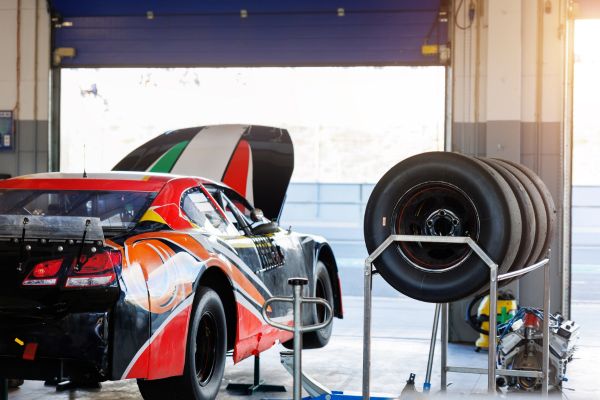
There’s something unmistakably raw about NASCAR. The thunder of engines, the blur of cars inches apart, the tension that builds lap after lap—it’s not just racing, it’s a spectacle shaped by decades of grit, innovation, and fierce competition. Whether you’re new to the sport or someone who’s followed it for years, NASCAR carries a story that goes far beyond the track.
The Origins of NASCAR and Its Early Roots
NASCAR didn’t begin as a polished, corporate sport. Its roots trace back to the backroads of the American South during the Prohibition era. Drivers who once outran law enforcement while transporting illegal moonshine became some of the earliest racing pioneers. Their cars were modified for speed and handling, and eventually, those skills found a new purpose on dirt tracks.
In 1948, NASCAR was officially founded by Bill France Sr., bringing structure to a growing but chaotic racing scene. What started as loosely organized races quickly transformed into a sanctioned sport with rules, championships, and a loyal fanbase. Early races were held on dirt tracks, often in small towns, where crowds gathered more for the thrill than the formality.
Over time, NASCAR evolved into a major motorsport, but it never completely lost that rebellious edge. Even today, there’s a sense that the sport still carries echoes of its unconventional beginnings.
The Evolution of NASCAR Through the Decades
As NASCAR grew, so did the sophistication of the cars and the scale of the events. The 1950s and 60s saw the rise of manufacturer rivalries, with brands like Ford and Chevrolet competing fiercely for dominance. This era also introduced legendary drivers who would shape the identity of the sport.
By the 1970s and 80s, NASCAR had begun to gain national attention. Television broadcasts brought races into living rooms across the country, turning drivers into household names. Tracks became larger, sponsorship deals became more prominent, and the sport started to resemble the high-profile spectacle it is today.
The 1990s marked a turning point. NASCAR expanded beyond its Southern roots, hosting races across the United States. New fans discovered the sport, drawn by its intensity and the personalities behind the wheel. With that expansion came greater professionalism, but also new challenges in maintaining its traditional identity.
Today, NASCAR balances heritage with innovation. Modern cars are engineered with precision, safety standards are higher than ever, and technology plays a crucial role in both performance and strategy.
The Unique Appeal of NASCAR Racing
What makes NASCAR different from other forms of motorsport isn’t just the oval tracks or the high speeds. It’s the closeness of competition. Cars race side by side, often separated by inches, for hundreds of laps. A single mistake can change everything.
There’s also a rhythm to NASCAR races that’s hard to describe until you experience it. The early laps feel like a buildup, a kind of controlled chaos. Mid-race, strategies unfold—pit stops, tire changes, fuel calculations. Then comes the final stretch, where tension peaks and every move matters.
Unlike some racing formats where drivers are isolated, NASCAR thrives on interaction. Drafting, blocking, and bumping are all part of the game. It’s aggressive, sometimes unpredictable, but always compelling.
And then there’s the connection with fans. NASCAR has always maintained a sense of accessibility. Drivers often interact directly with supporters, and the atmosphere at races feels more like a community gathering than a distant sporting event.
Legendary NASCAR Drivers Who Defined the Sport
Over the years, NASCAR has produced a lineup of drivers whose names are almost synonymous with the sport itself. These figures didn’t just win races—they shaped how NASCAR is perceived.
Richard Petty, often called “The King,” set records that still stand today, including 200 career wins. His dominance during the early years helped establish NASCAR’s credibility and popularity.
Dale Earnhardt brought a different kind of intensity. Known as “The Intimidator,” his aggressive driving style and fearless attitude made him one of the most iconic figures in racing history. His legacy still resonates deeply with fans.
Jeff Gordon represented a new era. With his polished image and remarkable skill, he helped bring NASCAR into mainstream attention during the 1990s. He wasn’t just a driver; he was a symbol of the sport’s evolution.
More recently, drivers like Jimmie Johnson and Kyle Busch have continued to push the boundaries, combining technical expertise with competitive drive. Each generation brings new personalities, but the core spirit remains unchanged.
The Structure of NASCAR Today
Modern NASCAR is organized into several series, with the NASCAR Cup Series being the premier level. This is where the top drivers compete for the championship, racing on a variety of tracks throughout the season.
The season itself is divided into stages, culminating in the playoffs—a high-stakes format that determines the champion. This system adds another layer of drama, as consistent performance isn’t enough; drivers must also excel under pressure.
Below the Cup Series are developmental leagues like the Xfinity Series and the Craftsman Truck Series. These platforms allow emerging talent to gain experience before moving up to the highest level.
Tracks vary widely, from short tracks to superspeedways. Each presents its own challenges, requiring different strategies and driving styles. This diversity keeps the sport dynamic and ensures that no two races feel exactly the same.
The Role of Technology and Innovation
While NASCAR may have started with modified street cars, today’s machines are far from ordinary. Engineers and teams work tirelessly to optimize performance, focusing on aerodynamics, engine efficiency, and tire management.
Safety has also become a major focus. Innovations like the HANS device, SAFER barriers, and improved car designs have significantly reduced risks for drivers. These advancements have reshaped the sport, making it safer without diminishing its intensity.
Data plays a critical role as well. Teams analyze everything from lap times to fuel consumption, using insights to make split-second decisions during races. It’s a blend of human instinct and technological precision.
Despite these advancements, NASCAR still emphasizes driver skill. No amount of technology can replace the ability to handle a car at high speed, especially in close quarters.
NASCAR in the Modern Era
In recent years, NASCAR has faced the challenge of staying relevant in a rapidly changing sports landscape. New audiences, shifting viewing habits, and evolving expectations have all influenced how the sport presents itself.
There’s been a push toward greater inclusivity and diversity, both among drivers and fans. Efforts to modernize the sport have included changes to race formats, digital engagement, and fan experiences.
At the same time, NASCAR continues to honor its traditions. The balance between innovation and heritage is delicate, but it’s also what makes the sport unique. It’s not trying to become something else—it’s evolving while staying true to its roots.
Recent seasons have delivered memorable moments, from unexpected victories to dramatic finishes. The unpredictability of NASCAR remains one of its greatest strengths.
The Culture and Community Around NASCAR
NASCAR isn’t just about racing; it’s about the culture that surrounds it. Race weekends are events in themselves, with fans traveling long distances to be part of the experience.
Tailgating, camping, and shared traditions create a sense of belonging. It’s not uncommon for families to attend races together for generations, passing down their passion for the sport.
There’s also a strong connection between teams, drivers, and fans. Unlike many other sports, NASCAR maintains a level of accessibility that keeps its community engaged and loyal.
Even for those who watch from home, there’s a feeling of being part of something larger. The sound of engines, the commentary, the unfolding drama—it all contributes to an experience that goes beyond the screen.
The Enduring Legacy of NASCAR
NASCAR has come a long way from its humble beginnings on dirt tracks. It has grown into a global motorsport with a rich history, iconic figures, and a dedicated fanbase.
Yet, at its core, it remains a sport defined by speed, competition, and human determination. Each race is a story, shaped by strategy, skill, and sometimes sheer luck.
The legacy of NASCAR isn’t just in its records or championships. It’s in the moments—the last-lap passes, the rivalries, the celebrations. These are the elements that keep fans coming back, year after year.
Conclusion: Why NASCAR Still Matters Today
NASCAR continues to hold a unique place in the world of sports. It’s a blend of tradition and modernity, where history meets innovation on every lap. The sport has adapted over time, but it has never lost its essence.
For those who follow NASCAR, it offers more than just racing. It provides a sense of connection, a shared excitement, and a reminder of what competition can look like at its most intense.
And for those just discovering it, there’s a whole world waiting—one filled with stories, personalities, and the unmistakable roar of engines chasing the finish line.