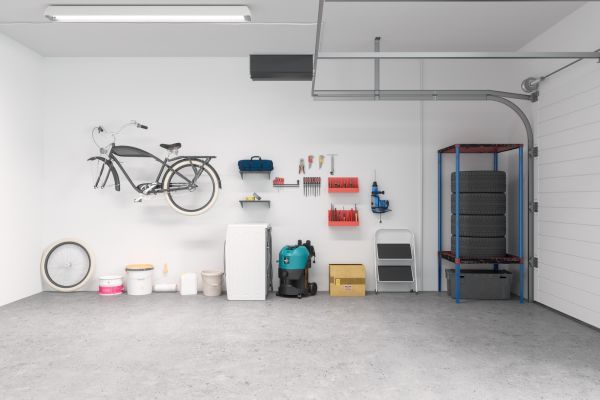
A garage can be far more than a place where old paint cans, bicycles, garden tools, and half-forgotten boxes slowly take over the floor. With the right setup, it can become one of the most useful spaces in the home. It can work as a repair zone, a storage area, a hobby corner, a home workshop, or simply a cleaner and more organized place to park the car.
The tricky part is that garages often have to serve several purposes at once. One wall may need to hold tools. Another corner may be used for sports gear. The center might need to stay clear for a vehicle. Add in seasonal items, extension cords, cleaning supplies, and a workbench, and the whole space can quickly feel crowded.
That is why a thoughtful garage setup guide is so helpful. A good garage is not just about buying tools or installing shelves. It is about creating a layout that matches how you actually use the space. When everything has a place and the main work areas are easy to reach, the garage becomes less frustrating and much more practical.
Start With the Purpose of Your Garage
Before moving shelves or buying storage cabinets, it is worth taking a step back and asking what the garage needs to do. A garage used mainly for car maintenance will look different from one used for woodworking, home repairs, gardening, or general storage.
Some people need a clean parking space first, with only a small section reserved for tools. Others want a full workshop where they can handle weekend projects without dragging equipment in and out of the house. Many homeowners need something in between: a garage that stores household items but still leaves room for repairs, small builds, and routine maintenance.
Thinking about purpose early saves a lot of rearranging later. It also helps prevent the common mistake of filling every wall with storage before deciding where the work areas should go. The best garage layouts usually begin with activity zones rather than random shelves.
Clear the Space Before Planning the Layout
A proper garage setup starts with a clean floor and an honest look at what is already there. It is hard to plan around piles, broken tools, empty containers, and items that no longer belong in the space.
The first step is sorting. Anything damaged, expired, duplicated, or unused should be removed, donated, recycled, or thrown away. Old paint, chemicals, and automotive fluids need careful handling, so they should be disposed of according to local rules rather than tossed casually into the trash.
Once the clutter is reduced, the garage becomes easier to understand. You can see the outlets, wall space, corners, lighting, ceiling height, and walking paths. This is the point where a layout begins to make sense. A garage often feels bigger after a serious cleanout, even before adding a single storage system.
Create Practical Zones That Match Real Use
A garage works best when it is divided into clear zones. These do not need to be fancy or labeled, but they should make sense. A tool zone near the workbench, a car care zone near the driveway side, a gardening area close to the door, and a storage area for seasonal items can make everyday use much smoother.
The work zone should usually be the most accessible part of the garage. If you repair things often, place the bench where there is good lighting, enough elbow room, and easy access to outlets. If you mostly use the garage for storage, the most frequently used items should stay at eye level or within arm’s reach, while rarely used items can go higher up or farther back.
One of the quiet secrets of a well-planned garage is that it reduces movement. You should not have to cross the room five times to finish one small task. When related items live near each other, the garage feels more natural to use.
Choose the Right Workbench Location
A workbench is often the heart of a garage, even if it is a simple table against the wall. It gives you a place to fix household items, clean parts, assemble furniture, sharpen tools, or handle small projects without using the kitchen table.
The best workbench location depends on the shape of the garage. In many homes, a side wall works well because it keeps the center open. If the garage is narrow, a folding or wall-mounted bench may be better than a deep permanent one. For larger garages, a sturdy bench at the back wall can create a dedicated workshop feel.
Lighting matters here. A bench placed under a dim corner light will not be pleasant to use. If possible, set up the work area where natural light reaches during the day, then add strong task lighting for evenings. A nearby outlet is also important, especially if you use drills, chargers, small power tools, or a shop vacuum.
Build Storage From the Walls Up
Floor space is the most valuable part of a garage. Once the floor is crowded, the whole space becomes awkward. That is why wall storage is usually the smartest place to start.
Wall-mounted shelves can hold bins, tools, cleaning supplies, and household extras without eating up walking space. Pegboards are useful for hand tools because they keep items visible. Slatwall panels offer more flexibility, especially for hooks, baskets, and heavier accessories. Cabinets are helpful when you want a cleaner look or need to keep dust away from certain items.
The main idea is simple: keep the floor as clear as possible. Items that sit directly on the floor tend to spread. One box becomes three, a corner becomes a pile, and before long, the garage feels messy again. Wall storage gives everything a home and makes sweeping or cleaning much easier.
Use Overhead Space Carefully
Ceiling storage can be excellent for bulky items that are used only a few times a year. Holiday decorations, camping gear, spare storage bins, and seasonal items often fit well overhead. This keeps them out of the way without removing them from the garage entirely.
Still, overhead storage should be used with care. Heavy items should not be placed above parked cars or areas where people stand often. Anything stored up high should be secure, balanced, and easy enough to bring down safely. It is also wise to avoid storing items overhead that you need every week, because constant lifting becomes annoying fast.
Used properly, ceiling storage can free up a surprising amount of wall and floor space. It is one of the best solutions for garages that feel small but have decent height.
Keep Everyday Tools Easy to Reach
A garage setup guide would not be complete without talking about tools. The right tools do not need to be expensive or excessive. Most homeowners can handle common tasks with a well-chosen basic set.
A practical garage tool collection usually starts with a hammer, screwdrivers, pliers, adjustable wrench, tape measure, utility knife, level, socket set, Allen keys, cordless drill, drill bits, and a reliable flashlight. For car-related work, a tire pressure gauge, jack stands, funnel, basic mechanic’s gloves, oil drain pan, and torque wrench can be useful. For cleaning and maintenance, a broom, shop vacuum, extension cord, and a few durable buckets are simple but important.
The key is not just owning tools. It is being able to find them quickly. Small tools should be grouped in drawers, pegboards, or labeled containers. Frequently used tools should stay close to the bench, while specialty tools can be stored slightly farther away. A tool you cannot find when you need it may as well not exist.
Plan Lighting Like It Actually Matters
Garage lighting is often overlooked, but it changes everything. A dim garage feels cramped, unsafe, and unpleasant. Good lighting makes projects easier, helps you spot leaks or damage, and makes the space feel cleaner.
A combination of general lighting and task lighting works best. Bright overhead lights help cover the whole room, while focused lights over the workbench help with detailed tasks. Corners, shelving areas, and tool walls also need enough light so items do not disappear into shadows.
Natural light is a bonus, but it should not be the only source. Many garage tasks happen in the evening, especially after work or on weekends. A well-lit garage is more inviting, which means you are more likely to keep it organized and actually use it.
Think About Power and Charging
Modern garages often need more power than older layouts provide. Cordless tools, battery chargers, air compressors, shop vacuums, work lights, and small appliances can all compete for outlets.
A safe setup avoids overloading one outlet with too many devices. Extension cords should be used carefully and not treated as permanent wiring. If you regularly use power tools, it may be worth planning a dedicated charging station where batteries, chargers, and small electronics stay together.
Cable management is another small detail that makes a big difference. Loose cords across the floor are annoying and unsafe. Hooks, cord reels, and wall-mounted organizers can keep them tidy without much effort.
Make Room for Vehicle Access
Even if your garage is partly a workshop, it should still be easy to move around a parked vehicle if you use it for parking. Doors need space to open. The trunk or hatch may need room at the back. You should be able to walk from the house door to the garage door without squeezing through piles.
A good layout keeps the center area open as much as possible. Storage should stay along walls, in corners, or overhead. If you use rolling tool cabinets or carts, make sure they can move without blocking the main path.
It helps to mark the parking area mentally, or even physically, so storage does not slowly creep into it. Garages often become cluttered because there are no boundaries. Once a clear path exists, it is easier to protect it.
Choose Flooring That Fits the Way You Use the Space
Garage floors take a lot of abuse. They deal with tires, dirt, oil drips, dropped tools, moisture, and dust. Bare concrete is common and perfectly usable, but it can stain and create dust over time.
Some homeowners prefer floor coatings for a cleaner look and easier maintenance. Others use rubber mats in work areas or under vehicles. Interlocking garage tiles can also make the space feel more finished, though they require a level surface and regular cleaning underneath.
The right flooring depends on use. A garage focused on car work needs durability and easy cleanup. A hobby or craft garage may need comfort underfoot. A storage-focused garage may only need a clean sealed surface. The goal is not to make the floor look perfect, but to make it practical.
Do Not Ignore Safety
A well-set-up garage should be convenient, but it also needs to be safe. Sharp tools, chemicals, fuels, ladders, and heavy objects all need proper storage.
Hazardous liquids should be kept in suitable containers and away from heat sources. Tools with blades should not be left loose on benches. Ladders should be secured so they do not tip. Heavy bins should stay low, while lighter items can go higher. Fire safety also matters, especially in garages used for automotive work or power tools.
Ventilation is another important point. If you paint, use chemicals, work with engines, or create dust, fresh air matters. A garage can feel open, but fumes and particles can build up quickly. Opening doors, using fans carefully, and wearing proper protection can make projects safer and more comfortable.
Keep the Layout Flexible
The garage you need today may not be the garage you need next year. Hobbies change, tools increase, families grow, and storage needs shift. A flexible setup makes these changes less stressful.
Rolling carts, adjustable shelving, modular cabinets, and movable bins can help the garage adapt over time. Permanent built-ins may look neat, but they should be planned carefully. It is frustrating to install a fixed setup and later realize it does not suit your routine.
A flexible garage has room to breathe. Not every inch needs to be filled. Empty space is useful space, especially when you need to repair something large, unpack a delivery, clean a bike, or work on a weekend project.
Create a Simple Maintenance Routine
Even the best garage setup will not stay perfect on its own. Garages collect dust, tools get left out, and storage bins slowly become mystery boxes. A simple maintenance habit keeps the space from slipping back into chaos.
A quick reset after every project helps more than a major clean once a year. Put tools back, sweep the work area, throw away packaging, and return supplies to their zones. Once every few months, review what is being stored and remove anything that no longer belongs.
This does not need to become a big chore. In fact, the whole point of a good garage layout is to make cleanup easier. When every item has a natural place, tidying up takes minutes instead of hours.
Conclusion
A smart garage setup is not about creating a perfect showroom. It is about building a space that works for real life. The best garages are practical, easy to move through, and organized around the tasks that actually happen there.
By starting with a clear purpose, dividing the space into zones, using walls and overhead areas wisely, and keeping essential tools within reach, any garage can become more useful. Lighting, power access, flooring, safety, and maintenance all play their part too. Small choices add up, and the result is a garage that feels less like a dumping ground and more like a space you can rely on.
A good garage setup guide can point you in the right direction, but the final layout should always reflect your own routine. When the garage supports the way you work, store, repair, and move, it becomes one of the most valuable rooms in the house.