A used car can look clean in photos and still hide expensive problems. The smartest approach is to inspect it in the same order every time: verify the vehicle, walk around the exterior, check under the hood, test the cabin, drive it, then review the paperwork before money changes hands. A consistent used car inspection checklist helps you slow the purchase down and notice details that are easy to miss when you are excited about a car.
Start Before You Touch the Car
Ask to see the vehicle in daylight and, if possible, when the engine is cold. A warm engine can make some starting problems or noises less obvious. Confirm that the vehicle identification number, or VIN, on the dashboard matches the title or registration documents. If you are buying from a U.S. dealer, review the FTC Buyers Guide because it explains whether the vehicle is being sold with a warranty or “as is.”
Bring a flashlight, paper towel, tire tread gauge if you have one, and your phone for notes. Treat your own inspection as a screening step, not a replacement for a professional pre-purchase inspection.
Inspect the Body From Several Angles
Look for paint and panel inconsistencies
Stand several feet from the car and look along each side. Different paint shades, uneven gaps around doors or the hood, overspray on trim, or panels that do not sit flush can suggest previous body repairs. Repairs are not automatically a deal-breaker, but they are a reason to ask what happened and whether records are available.
Check lower door edges, wheel arches, the trunk floor, and areas around the windshield for rust, bubbling paint, or water staining. Open every door, the hood, and the trunk to make sure they latch smoothly. A musty smell, damp carpet, silt in hidden areas, or corrosion under seats deserves extra investigation for possible water exposure.
Check glass, lights, wheels, and tires
Inspect the windshield for chips or cracks and test headlights, brake lights, turn signals, and reverse lights. Look at all four tires for cuts, bulges, cracking, and uneven wear. NHTSA advises replacing tires when tread is worn to 2/32 of an inch. Uneven wear can also point to alignment, suspension, inflation, or other issues.
Look Under the Hood Without Guessing
With the engine off and cool, look for wet areas, fresh leaks, cracked hoses, loose connections, heavy battery-terminal corrosion, or improvised repairs. Fluid levels and specifications vary, so follow the owner’s manual instead of assuming every vehicle should look the same.
Check engine oil on vehicles with a dipstick when the manufacturer’s procedure allows it. Very low oil, strong burnt odors, or unusual contamination deserve attention. Look at the coolant reservoir only when safe, and never remove a pressurized coolant cap from a hot engine. Check the ground for fresh drips; clear water from air-conditioning condensation can be normal, while oily or colored fluid should be investigated.
Test the Interior and Basic Functions
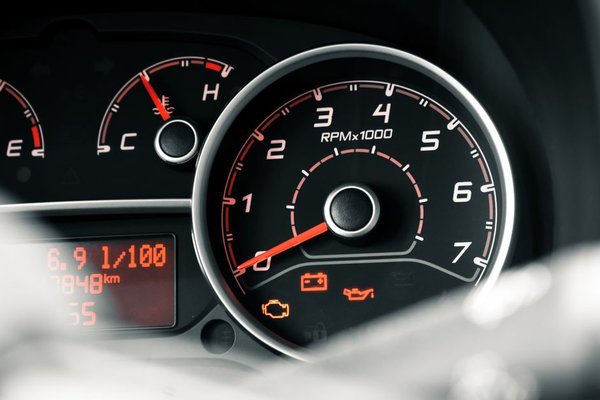
A useful pre owned car checklist includes small items because repair costs can add up. Start the car and watch the dashboard. Warning lights should appear during the normal startup check and then switch off as designed. A warning light that stays on, or one that never appears when expected, may require diagnosis.
Test the air conditioning and heat, windows, mirrors, locks, seat adjustments, horn, wipers, washer system, infotainment, charging ports, backup camera, and other fitted features. Check seat belts for proper latching and retraction. Inspect carpets, seat rails, and the spare-tire area for moisture or damage.
Make the Test Drive Part of the Inspection
A car buying inspection is incomplete without a real test drive. Use roads that let you experience low-speed turns, normal acceleration, braking, and steady cruising. Keep the radio off and notice vibration, clunks over bumps, delayed transmission engagement, unusual engine noises, brake pulsation, steering pull, or a temperature gauge outside its normal range.
For example, a seller may say a squeak is simply from the car sitting unused. If the test drive also reveals steering pull and one front tire is worn heavily on one edge, do not treat those clues separately. Together they justify a closer brake, tire, alignment, and suspension inspection before you negotiate.
Review the VIN, History, Recalls, and Paperwork
Get a vehicle history report and compare it with what the seller has told you. In the United States, NMVTIS consumer reports can provide title information, the latest reported odometer reading, brand history such as salvage or flood designations, and certain total-loss or theft-related data. A clean report is useful, but it cannot prove that a vehicle has never been damaged or developed mechanical problems.
Use the VIN to check for open safety recalls through NHTSA. Review service records when available and look for mileage progression that makes sense. Make sure the seller’s name and vehicle information match the title. If buying from a dealer, understand the warranty or “as is” terms and get important promises in writing.
Know When to Bring in an Independent Mechanic
Your vehicle inspection checklist can eliminate obviously poor candidates, but a qualified independent mechanic can assess areas you cannot properly inspect in a driveway. The FTC recommends an independent inspection before buying a used car, even when a dealer says the vehicle has been inspected or certified. Ask for a written report and repair estimates so you can decide whether to walk away, negotiate, or proceed.
If a seller or dealer refuses a reasonable independent inspection, treat that as a serious warning sign. A pre-purchase inspection can cost far less than discovering a major engine, transmission, structural, or electrical problem after the sale.
Frequently Asked Questions
What should I check first when inspecting a used car?
Start by confirming the VIN and basic paperwork, then inspect the vehicle in daylight before the test drive. This helps you catch obvious reasons to stop before spending more time on the car.
Is a vehicle history report enough before buying?
No. A history report may reveal useful title, odometer, salvage, accident, or ownership information, but it may not show current mechanical problems or every past incident. Combine it with a physical inspection and an independent mechanic’s evaluation.
Should I inspect a certified pre-owned car?
Yes. Certification programs vary, and certification does not remove the value of an independent inspection. Review exactly what the certification and warranty cover rather than assuming every component is protected.
What is a strong reason to walk away from a used car?
Walk away when important facts cannot be verified, the seller blocks an independent inspection, the paperwork does not match, or several warning signs suggest hidden damage or neglected maintenance.
Use the Checklist to Make a Calm Decision
The goal of a used car inspection is not to find a flawless vehicle. It is to understand what you are buying, what may need repair, and whether the price still makes sense. Work through the same checks every time, verify the history and recall status, and use an independent mechanic before committing when the car passes your initial review. A careful inspection gives you evidence for deciding whether to buy, negotiate, or keep looking.