You press the gas, expect the car to pull away, and get a brief pause instead. Sometimes the engine stumbles before recovering. Other times the revs rise but the car barely gains speed. Those sensations are easy to describe as engine hesitation when accelerating, yet they do not always share the same cause.
The quickest route to a useful diagnosis is to notice what happens during that pause: does the engine shake, does the tachometer jump, or does the accelerator seem slow to respond? Those details help separate fuel, air, and ignition problems from transmission behavior.
Start With the Kind of Hesitation You Feel
A true engine stumble feels like power arrives unevenly. You might notice a shudder, uneven exhaust note, or brief loss of pull. Engine bogging down often becomes more obvious on a hill or when asking for more speed, because the engine has to work harder.
Throttle hesitation is slightly different. The pedal moves, but the engine responds late, sometimes without shaking. Electronic throttle control, sensor readings, or the vehicle’s programmed pedal response may be involved.
If the engine revs increase sharply while road speed barely changes, think beyond the engine. That pattern can indicate slipping within an automatic transmission, a clutch problem in a manual car, or another drivetrain issue. A delay precisely during a gear change deserves transmission-focused testing.
Common Engine Causes of Acceleration Hesitation
Worn Spark Plugs or Weak Ignition Coils
Ignition parts must fire reliably while cylinder pressure rises under acceleration. A worn plug or failing coil can work acceptably at idle but misfire under load. The car may jerk, shudder, or feel as though someone briefly lifted off the accelerator. Misfire fault codes can help direct testing, but a code alone does not prove which part failed.
Insufficient Fuel Delivery
When demand increases, a weak fuel pump, restricted filter on vehicles that use a serviceable filter, or injector problem may prevent the engine from receiving the fuel it needs. Hesitation that grows worse during sustained acceleration or uphill driving can be a clue. Proper fuel-pressure and delivery tests are more useful than replacing the pump based on symptoms alone.
Unmetered Air and Intake Problems
A split intake hose or vacuum leak can disrupt the air-fuel mixture, especially at certain throttle positions. A severely restricted air filter can also limit performance, although it is not the automatic explanation for every sluggish car. Inspecting accessible intake hoses and checking the filter’s condition are sensible first steps with the engine switched off.
Mass Airflow and Other Engine Sensors
The engine computer relies on information from sensors such as the mass airflow sensor, manifold pressure sensor, and throttle-position sensors. Inaccurate readings can cause an incorrect fuel calculation or delayed response. A faulty mass airflow sensor may also produce rough idling or poor fuel economy. Testing live readings and checking related wiring should come before cleaning or replacing a sensor.
Dirty Throttle Body or Electronic Throttle Faults
Deposits around a throttle plate can affect low-speed airflow on some engines. Electronic throttle faults may also change how quickly the engine responds to the pedal. A brief flat spot as you pull away can fit this pattern, but throttle-body cleaning is not a universal fix.
Exhaust Restrictions and Other Less Common Causes
A blocked catalytic converter or another exhaust restriction can leave the engine struggling to breathe at higher loads. Mechanical problems, variable valve timing faults, and turbocharger control issues can create similar complaints.
Acceleration Lag That May Not Be an Engine Fault
Some automatic transmissions pause briefly while selecting a lower gear. A turbocharged engine may also have a short delay before boost builds. Those characteristics can feel like acceleration lag, particularly when comparing different vehicles, but a new, worsening, or unusually long delay should not be dismissed as normal.
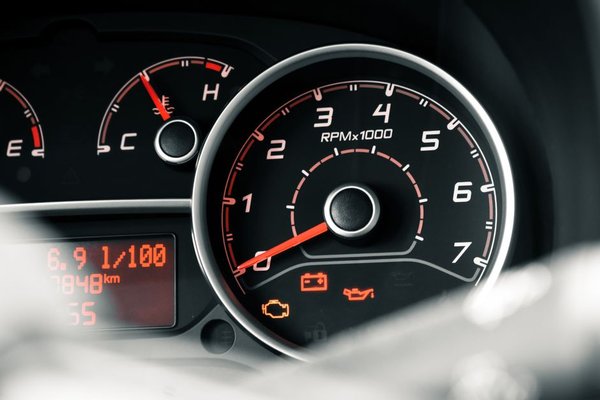
Pay attention to the tachometer. If revs rise smoothly while the car fails to accelerate proportionately, a transmission or clutch concern moves higher on the list. If revs falter and the engine shakes, combustion or air-fuel problems become more likely. Neither clue is a final diagnosis, but it prevents confusion between common acceleration lag causes.
How to Narrow Down the Cause Without Guesswork
Consider a car that hesitates only when merging onto a highway. At gentle throttle it feels normal, but a stronger press produces a short shudder and a flashing check-engine light. That pattern raises concern for a misfire under load; it does not justify trying harder acceleration to reproduce the symptom. Pull over safely and arrange assistance.
For milder, repeatable symptoms, write down whether the problem occurs when cold or warm, from a standstill or at cruising speed, and before or during a gear change. Note warning lights, recent refueling, maintenance, unusual noises, and whether air conditioning changes the behavior. This short history can save considerable diagnostic time.
A scan tool can reveal stored and pending trouble codes, even when the dashboard light is off. Codes provide starting points, not parts-shopping instructions. A technician may then examine fuel pressure, ignition performance, intake leaks, live sensor data, and transmission operation according to the observed pattern.
For related symptoms, it can help to understand rough idle causes, what a check-engine light means, and the signs of transmission slipping. Those distinctions make it easier to describe exactly when your car hesitates accelerating.
When Is It Unsafe to Keep Driving?
Stop as soon as it is safe if the check-engine light flashes, the engine shakes severely, power drops suddenly, or you notice smoke, strong fuel smells, or overheating. A serious misfire can damage the catalytic converter, while unpredictable acceleration creates a traffic hazard. Arrange roadside assistance rather than testing the fault on a busy road.
If hesitation is mild and no urgent warning appears, avoid demanding driving and book an inspection promptly. A steady check-engine light still deserves attention, especially if performance has changed.
Frequently Asked Questions
Why does my car hesitate only when I press the gas hard?
Hard acceleration increases fuel demand and ignition load, making a weak coil, worn plug, or fuel-delivery problem easier to notice. Sensor and intake faults can behave similarly. Testing should follow the symptoms and diagnostic data.
Can bad gasoline cause engine hesitation?
Contaminated or incorrect fuel can cause rough running or poor acceleration. If symptoms began immediately after refueling, mention that timing to the repair shop. Do not assume the fuel is responsible without checking other possibilities.
Why does my car hesitate without a check-engine light?
Not every brief performance fault immediately triggers a dashboard warning. There may be pending codes, intermittent faults, transmission behavior, or a normal response characteristic. Recording when the hesitation occurs still helps locate the problem.
Will changing spark plugs fix throttle hesitation?
Only if worn plugs are causing the stumble. Delayed throttle response can also come from air measurement, throttle control, fuel delivery, or transmission operation. Diagnosis is usually cheaper than replacing unrelated parts.
Conclusion
Engine hesitation when accelerating is a symptom, not a diagnosis. The most valuable clue is whether the engine stumbles, responds late, or revs without delivering speed. Combine that observation with warning lights, fault codes, and focused testing, and you are far more likely to repair the actual problem rather than chase guesses.