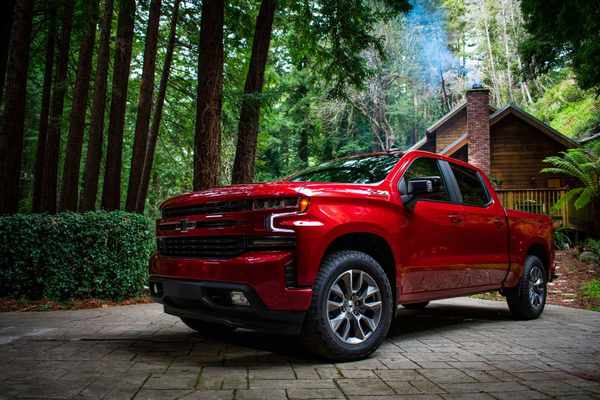
The Chevrolet Silverado 1500 makes its strongest case not by being the flashiest pickup, but by offering several ways to build a genuinely useful one. A contractor hauling equipment, a family towing a camper, and a driver who mainly needs a roomy commuter can all find a plausible configuration. Their ideal Silverados, however, may perform very differently.
This Chevrolet Silverado 1500 review focuses on the 2026 truck’s powertrains, hauling considerations, cabin comfort, and value. Its headline numbers are impressive, but understanding what comes standard and what requires a particular configuration matters more than any brochure maximum.
Four Engines, Four Different Personalities
The standard TurboMax 2.7-liter turbocharged four-cylinder produces 310 horsepower and 430 lb-ft of torque. That generous low-end output makes it a sensible choice for commuting, home-improvement runs, and occasional towing. An eight-speed automatic accompanies this engine; it is not simply an economy option with no muscle.
The available 5.3-liter V8 makes 355 horsepower and 383 lb-ft. It suits buyers who prefer familiar V8 character and want a versatile mix of daily driving and work capability. The 6.2-liter V8 raises output to 420 horsepower and 460 lb-ft, delivering stronger acceleration, though choosing it can mean spending more on fuel and the truck itself.
For long highway stretches and regular trailer duty, the 3.0-liter Duramax turbo-diesel deserves attention. It produces 305 horsepower and 495 lb-ft, the highest torque figure in the 2026 lineup. Chevrolet advertises up to 28 mpg on the highway for an eligible diesel configuration, not for every Silverado. Both V8s and the diesel use a ten-speed automatic.
Chevrolet Silverado 1500 Towing: The Fine Print Matters
For 2026, Chevrolet quotes a maximum available towing rating of 13,300 pounds. That figure applies only to qualifying configurations, including a properly equipped Duramax Double Cab with a standard bed. Many crew-cab, off-road, and differently equipped models are rated for less.
Consider a family shopping for a travel trailer with a 7,000-pound loaded weight. The published tow rating is only the first checkpoint. Trailer tongue weight, passengers, luggage, a bed-mounted cooler, and installed accessories all use up carrying capacity. A weight-distribution hitch may improve handling when appropriate, but it cannot increase the truck’s published ratings.
A practical shopping method is to calculate the trailer’s realistic loaded weight, estimate loaded tongue weight, and compare both with the specific truck’s tow rating, payload sticker, and combined weight limits. Leave a sensible margin instead of planning to operate constantly at the maximum. Our pickup truck towing capacity guide would be a useful companion when comparing configurations.
Chevrolet Silverado 1500 Payload and Bed Practicality
Chevrolet lists up to 2,260 pounds of available payload for the 2026 Silverado 1500, again under specific conditions. Payload is not the amount you can put in the bed after filling every seat. It includes occupants, cargo, and other added weight, subject to the vehicle’s limits.
The number that counts is the carrying-capacity label inside the driver’s door jamb on the exact truck you buy. A lavishly equipped four-wheel-drive crew cab may have considerably less available payload than a lighter work-focused configuration. This difference can matter more than engine horsepower when transporting pavers, tools, or a heavy trailer tongue.
Silverado’s Durabed provides useful tie-down points and generous cargo space. A short bed is easier to park, while a longer bed better accommodates bulky materials. Measure your garage and typical cargo before deciding. A truck bed sizes comparison can help turn dimensions into a practical choice.
Chevrolet Silverado 1500 Interior: Comfort With Conditions
The Silverado’s cabin changes substantially across the range. Work Truck and Custom models prioritize durable, straightforward equipment, whereas LT and higher trims introduce a more polished dashboard and expanded technology.
A crew cab is the stronger choice for adults riding regularly in back, child seats, and family trips. A smaller cab may make better financial and practical sense for drivers carrying colleagues only occasionally. Test the rear doors, seat access, and seating position with your real passengers rather than judging the cab from photographs.
On the highway, the Silverado can feel relaxed despite its dimensions, although ride quality varies with tires, suspension packages, and load. Aggressive off-road tires and specialized suspension setups can bring compromises in noise or road feel. Its size remains noticeable in older parking garages and tight urban spaces.
Technology That Helps Beyond the Dashboard
Eligible trims offer a 13.4-inch touchscreen, a 12.3-inch digital driver display, wireless Apple CarPlay and Android Auto compatibility, and Google built-in functions. Availability differs by specification, so don’t assume the large-screen layout comes with every entry-level truck.
Chevy Safety Assist includes features such as automatic emergency braking, forward collision alert, and lane-keeping support. None makes a large pickup immune to crashes. The Insurance Institute for Highway Safety rates the 2026 crew cab Poor in its updated moderate-overlap front test, a meaningful concern for shoppers who frequently carry rear-seat passengers. Review current crash-test results alongside the equipment list.
Which Chevrolet Silverado 1500 Trims Offer the Best Value?
The WT makes sense when bed utility, work durability, and a lower starting cost dominate. Custom adds appearance and convenience features, while LT often strikes a more appealing balance for drivers seeking a modern interior without climbing to luxury-truck pricing.
RST suits shoppers interested in a sportier look. LTZ and High Country emphasize comfort and upscale appointments. Custom Trail Boss, LT Trail Boss, and ZR2 are aimed at increasingly serious off-road use; their tires, ride height, and specialized hardware are not automatically better for highway towing or fuel economy.
Everyday Costs and Trade-Offs
Four-wheel drive, heavier trims, and powerful engines can raise purchase and running costs. Compare insurance, tire prices, servicing, and fuel as well as monthly payments; towing generally reduces real-world economy. Chevrolet has also announced a next-generation 2027 Silverado with different specifications, so verify model years when shopping across inventories.
Frequently Asked Questions
How much can a Chevrolet Silverado 1500 tow?
The 2026 Silverado 1500 can tow up to 13,300 pounds when properly configured. Check the precise vehicle’s equipment and published rating, then account for tongue weight, passengers, cargo, and applicable weight limits.
What is the maximum Silverado 1500 payload?
Chevrolet advertises up to 2,260 pounds for the 2026 model. Actual payload varies considerably, and the door-jamb label on the individual truck is the appropriate starting point.
Which Silverado 1500 engine is best for daily use?
The TurboMax is a compelling everyday option thanks to its strong torque. The 5.3-liter V8 is another versatile choice, while the diesel appeals to drivers who regularly travel long distances or tow.
Is the Silverado 1500 a good family truck?
A crew-cab Silverado offers substantial passenger space and useful convenience features. Families should also weigh its parking footprint, running costs, and independent crash-test performance, especially for rear-seat occupants.
Final Verdict
The Silverado 1500 rewards buyers who select a configuration for their routine instead of chasing the largest headline number. Its capable engine range, useful bed, available towing technology, and comfortable crew cab make it a strong all-rounder. The trade-offs are real: specifications vary widely, upscale models become expensive, and some safety-test results warrant scrutiny. Get the payload label, towing documentation, and a thorough test drive before making the call.