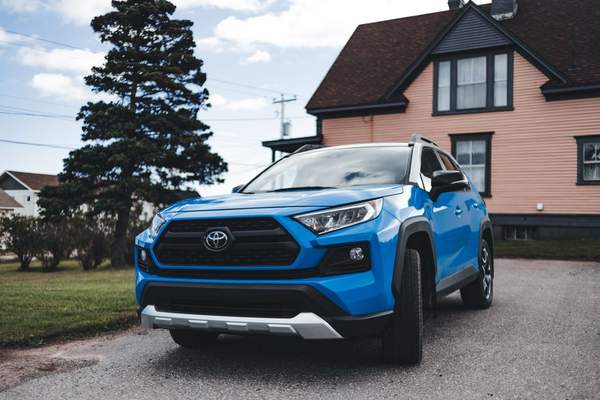
The Toyota RAV4 has a straightforward job: carry people and their belongings comfortably, use a sensible amount of fuel, and stay easy to live with. The redesigned 2026 model keeps that mission while making a significant change. Every new U.S. RAV4 now uses either a conventional hybrid or a plug-in hybrid powertrain; a gas-only version is no longer offered.
But fuel economy alone does not make a great family SUV. Seat comfort, usable storage, road noise, technology, and purchase price matter just as much. This Toyota RAV4 review looks at where the latest model delivers and where a test drive is essential.
What Changed for the 2026 Toyota RAV4?
The sixth-generation RAV4 brings sharper styling, an updated cabin, new multimedia software, and a revised hybrid system. Front-wheel-drive hybrids produce 226 combined horsepower, while all-wheel-drive hybrids produce 236 horsepower. A more powerful plug-in hybrid is also available, with the ability to complete shorter trips on electricity when charged regularly.
Keep model years straight when comparing prices. A used 2025 gas-powered RAV4 is not mechanically equivalent to a new 2026 hybrid. That difference affects performance, efficiency, and running costs.
Driving Feel: Easygoing Rather Than Sporty
In traffic, electric assistance helps the RAV4 Hybrid pull away smoothly. Light steering and an elevated driving position make parking and busy intersections easier to manage. Available all-wheel drive provides additional traction support in difficult conditions, although suitable tires remain essential.
There are compromises. Independent road tests report noticeable engine noise under hard acceleration. The ride is generally manageable, but some rivals absorb rough pavement more gracefully. Steering feels predictable rather than engaging. Buyers who often travel on highways should test the RAV4 on coarse pavement, not only a smooth dealership route.
The Woodland version adds outdoorsy equipment, while sport-oriented grades emphasize styling and handling changes. Neither transforms the RAV4 into a performance SUV. A compact SUV comparison with the Honda CR-V or Mazda CX-50 is worthwhile if driving refinement matters most.
Toyota RAV4 Interior and Passenger Comfort
The Toyota RAV4 interior uses a squared-off dashboard and practical storage areas for phones, drinks, and commuting essentials. The layout feels functional, although some plastic surfaces still seem ordinary for the price. Upholstery, power adjustments, heated seats, and other comfort extras vary by trim.
Both rows can accommodate adults, but some drivers may find the front-seat padding firm on longer trips. Families should check rear legroom with the front seats adjusted to their normal positions. An especially useful test is installing the child seat or booster you actually own: door opening and seat height can matter more than published measurements.
Toyota RAV4 Cargo Space: Practical by Design
Toyota lists up to 37.8 cubic feet of cargo space behind the second row in the 2026 RAV4. That makes room for groceries, luggage, sports gear, or a stroller without sacrificing rear seating. Folding the back seats increases carrying flexibility for larger items.
Before buying, bring the folded stroller, dog crate, or cooler you normally transport. Check the hatch opening, load-floor height, and whether everything fits with passengers still seated. Real objects reveal more than a cargo-volume figure.
The RAV4 can also tow on properly equipped trims. Toyota advertises a maximum of 3,500 pounds, but that figure does not apply across the entire range. Verify the exact model’s rating before planning to pull a trailer.
Toyota RAV4 MPG: Which Hybrid Makes Sense?
Efficiency is a standout advantage. Toyota’s initial manufacturer estimates for the 2026 regular hybrid reach 43 mpg combined in front-wheel-drive form; ratings vary by grade and drivetrain. The Woodland configuration is less efficient. Weather, speed, tire choice, and driving conditions all affect actual mileage, so confirm the EPA label on the specific vehicle.
The plug-in hybrid offers another approach. Toyota projects up to 52 miles of all-electric range for certain versions, with results varying by configuration and conditions. It makes the most financial sense when you can charge reliably at home or work.
Consider someone commuting 24 miles each weekday. A charged plug-in RAV4 could cover many of those journeys electrically. Someone driving long interstate routes without convenient charging may be happier with the regular hybrid. A hybrid versus plug-in hybrid guide can help buyers calculate their own break-even point.
Toyota RAV4 Features and Safety
The latest Toyota RAV4 features an updated infotainment interface, a customizable home screen, and standard wireless Apple CarPlay and Android Auto compatibility. Screen size, premium audio, convenience cameras, and other upgrades depend on trim. Try adjusting climate controls and setting navigation while parked to assess the system’s usability.
Toyota Safety Sense 4.0 comes standard on the 2026 RAV4, incorporating collision-warning and lane-support technologies. These features assist an attentive driver; they do not provide autonomous driving. Verify the equipment list if parking sensors or a surround-view camera are priorities.
Pricing and Everyday Value
The 2026 RAV4 Hybrid launched with a starting manufacturer suggested retail price of $31,900 before delivery charges, taxes, and dealer fees. Higher grades and plug-in versions cost more. Because dealer pricing and incentives vary, compare out-the-door quotes instead of relying only on advertised monthly payments.
For many households, a midrange conventional hybrid offers the strongest balance of efficiency, safety equipment, and convenience without luxury-level spending. Larger wheels and extra technology might look attractive but do not necessarily improve daily use. Wheel size can also influence tire costs and ride comfort.
Request insurance quotes, compare financing offers, and budget for routine maintenance. Toyota’s hybrid experience is encouraging, but no vehicle is guaranteed trouble-free. Use a family SUV buying checklist to keep the test drive focused on what your household actually needs.
Frequently Asked Questions
Is the Toyota RAV4 a good family SUV?
Yes. It combines useful cargo capacity, seating for five, efficient hybrid power, and standard driver-assistance features. Families should still test their own car seats and luggage.
Does the 2026 Toyota RAV4 have a gas-only engine?
No. The redesigned U.S. lineup offers conventional hybrid and plug-in hybrid versions. Previous model years included gasoline-only configurations.
Is all-wheel drive standard?
No. Front-wheel drive is available on regular hybrids, while other versions offer or include all-wheel drive. Confirm the precise trim and powertrain.
What are the biggest drawbacks?
Engine noise during hard acceleration, firm seating, some ordinary cabin materials, and less polished ride comfort than certain rivals. A longer test drive should expose which issues matter to you.
Final Verdict
The 2026 Toyota RAV4 is appealing because it makes routine transportation straightforward. Its hybrid-only redesign strengthens efficiency, while the flexible cargo area, everyday cabin, and safety technology remain central strengths. It is not the quietest or most sophisticated compact SUV, but U.S. buyers looking for practical space and manageable fuel costs should consider it seriously. Choose a drivetrain suited to your charging routine, evaluate comfort on familiar roads, and compare the complete purchase price.