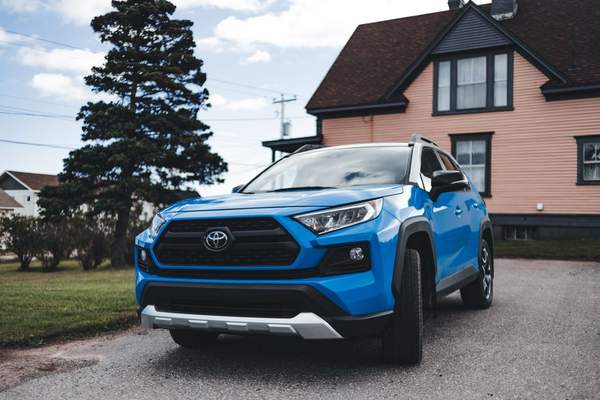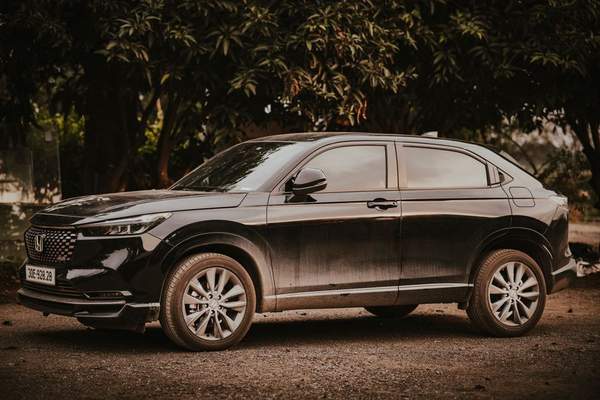
The Subaru Forester and Honda CR-V both make daily life easier, but they solve different problems particularly well. The CR-V favors efficient commuting and versatile family storage. The Forester puts standard all-wheel drive, outward visibility, and confidence on rougher roads near the top of the list. For U.S. shoppers comparing 2026 models, the best choice depends on where you drive and what you carry.
Subaru Forester vs Honda CR-V at a Glance
Choose the Forester if standard AWD, a clear view out, and occasional dirt-road adventures matter most. Choose the CR-V if you want generous cargo space, strong hybrid fuel economy, and a comfortable everyday family SUV. Both offer gas and hybrid versions, so compare equivalent powertrains and drivetrains rather than mixing a base model with a fully equipped hybrid.
Engines, Acceleration, and Driving Character
How the Powertrains Compare
The 2026 Forester’s conventional 2.5-liter flat-four produces 180 horsepower; its hybrid system is rated at approximately 194 horsepower. Every Forester includes Subaru Symmetrical All-Wheel Drive. The CR-V uses a 190-horsepower turbocharged engine in gas models or a 204-horsepower two-motor hybrid system. Honda offers front-wheel drive on some trims, with AWD available or standard depending on version.
The CR-V Hybrid feels responsive leaving a traffic light because electric-motor assistance arrives promptly. The gas Forester emphasizes predictable, relaxed progress rather than brisk acceleration. During a test drive, try merging onto a highway and accelerating uphill with passengers aboard; those situations reveal more than horsepower alone.
When Roads Get Rough
The Forester’s standard AWD, 8.7 inches of ground clearance on most models, and available X-MODE traction settings suit snowy driveways and gravel tracks. The Wilderness increases clearance to 9.3 inches. The CR-V’s available AWD handles rain and winter travel, while the TrailSport Hybrid adds all-terrain tires. Neither replaces a dedicated off-roader, and winter tires remain important on ice.
Subaru Forester vs Honda CR-V MPG
Efficiency varies by trim. For 2026, a regular Forester Base, Premium, or Limited is EPA-rated at 26 mpg city and 33 highway; the Forester Hybrid reaches 35 city and 34 highway. The Wilderness trades some economy for rugged equipment, at 24 city and 28 highway.
A gas CR-V with AWD is rated at 27 city and 31 highway. Most AWD CR-V Hybrids achieve 40 city and 34 highway; the TrailSport Hybrid rates 38 city and 33 highway. Front-wheel-drive CR-V Hybrids reach 43 city and 36 highway. These EPA estimates vary in real use with temperature, speed, terrain, and driving habits.
For thousands of urban miles annually, Honda’s hybrid advantage matters. Someone covering fewer miles but frequently using unpaved roads might place more value on the Forester’s standard AWD.
Comfort, Visibility, and Passenger Space
Both SUVs seat five, with supportive front seats and usable rear seating. The CR-V provides 41 inches of published rear legroom versus the Forester’s 39.4 inches. Yet the Forester’s tall glass area and upright seating create an airy feel, and its large windows help when parking.
Comfort is personal. Check lumbar support, headroom beneath an optional moonroof, and whether a child seat fits without pushing the front passenger forward. Tall passengers should sit behind the driver’s normal position. A longer test route over imperfect pavement reveals more than a dealership lap.
SUV Cargo Comparison: Which Holds More?
The CR-V has the advantage in published cargo capacity. The 2026 gas CR-V provides 39.3 cubic feet behind the second row and up to 76.5 with that row folded. CR-V Hybrids offer 36.3 and 71.8 cubic feet. The Forester Base provides 29.6 and 74.4 cubic feet respectively; most other trims, including hybrids, list 27.5 and 69.1.
Still, measurements do not capture everything. Subaru’s wide rear opening can make loading a bulky cooler simpler, while Honda’s space helps with strollers and suitcases. Bring your actual stroller or two large suitcases to both dealerships. Leave the rear seats upright and check whether everything fits below the windows without awkward stacking.
A compact SUV cargo-space guide can help explain why floor shape, seatback angle, and lift-over height matter alongside cubic-foot ratings.
SUV Technology Comparison and Safety
The 2026 CR-V includes a 9-inch central touchscreen with wireless Apple CarPlay and Android Auto. Most Forester trims feature an 11.6-inch portrait-oriented touchscreen with wireless smartphone integration; the Base has a smaller system. Bigger is not necessarily easier. Try adjusting climate settings, displaying navigation, and changing audio sources before choosing.
Subaru’s EyeSight and Honda’s Honda Sensing suites include important driver aids such as automatic emergency braking and adaptive cruise control. Blind-spot alerts, parking sensors, and advanced camera views vary by trim. Check exact equipment rather than assuming every feature is standard. For terminology, a compact SUV safety-features guide is useful before paying for an upgrade.
Price and Compact SUV Value
The 2026 Forester Base starts at $29,995 MSRP, while the CR-V LX starts at $30,920; both figures exclude destination charges, taxes, and fees. Subaru’s price includes AWD, whereas Honda’s entry price covers front-wheel drive. That distinction matters for anyone shopping with a strict all-weather budget.
The Forester Premium Hybrid starts at $34,730. Honda’s CR-V Sport Hybrid starts at $35,630 with front-wheel drive, and AWD costs more. Consider insurance quotes, tires, financing, and local offers alongside sticker prices. Total ownership costs across compact SUVs may reveal a different winner than a simple payment comparison, especially if your annual mileage is low.
Which Compact SUV Fits Your Routine?
For an urban family hauling a stroller through stop-and-go traffic, the CR-V Hybrid’s storage and efficiency are compelling. For someone facing snowy mornings, gravel driveways, and frequent camping trips, the Forester’s standard AWD and visibility are persuasive. If you do both, compare an AWD CR-V Hybrid with a similarly equipped Forester Hybrid and request written out-the-door quotes.
Frequently Asked Questions
Is the Forester or CR-V better in snow?
The Forester includes AWD on every trim and adds traction-oriented features on selected versions. An AWD CR-V is capable in winter too. Suitable winter tires, speed, and road conditions matter more than the badge.
Which has more cargo room?
The 2026 CR-V generally provides more published room behind the rear seats. The gas CR-V reaches 76.5 cubic feet folded, versus 74.4 for the Forester Base and 69.1 for most other Foresters.
Does the Subaru Forester come as a hybrid?
Yes. The 2026 Forester Hybrid pairs a gasoline engine with electric assistance, retains standard AWD, and improves city fuel economy compared with its non-hybrid counterpart.
Which SUV is better for commuting?
The CR-V Hybrid suits frequent city driving thanks to strong EPA ratings and responsive power delivery. A Forester may better serve a commute involving snow, unpaved roads, or limited visibility.
Final Verdict
The Subaru Forester vs Honda CR-V decision comes down to priorities. Honda offers stronger cargo packaging and hybrid efficiency; Subaru counters with standard AWD and excellent outward visibility. Drive similarly priced trims on familiar roads, test your actual cargo, and choose the one that makes everyday tasks easier.