The idea of business car leasing has quietly evolved from a niche financial arrangement into a practical tool that many companies rely on. Whether it’s a small startup managing its first team of sales representatives or a larger organization maintaining a fleet, leasing offers a different way to think about mobility. It’s less about ownership and more about access, flexibility, and predictability.
For businesses navigating uncertain markets or simply trying to manage costs more efficiently, leasing vehicles can feel like a strategic choice rather than just a logistical one. But like most decisions involving finance and operations, it comes with nuances worth understanding.
Understanding the Basics of Business Car Leasing
At its core, business car leasing is an agreement that allows a company to use a vehicle for a fixed period in exchange for monthly payments. Instead of purchasing the vehicle outright, the business essentially pays for the depreciation that occurs during the lease term.
This approach changes the way companies think about vehicles. Rather than viewing them as long-term assets, leased cars become tools—useful for a specific time frame, then returned or replaced. It’s a subtle shift, but one that aligns well with modern business thinking, where adaptability often outweighs permanence.
The lease typically includes a set mileage limit and conditions regarding wear and tear. At the end of the agreement, the vehicle is returned, and the business may choose to lease a new one or explore other options.
Why Businesses Consider Leasing Over Buying
The appeal of business car leasing often lies in its simplicity. Instead of a large upfront investment, companies can spread costs over time. This can free up capital for other areas, such as hiring, marketing, or expansion.
There’s also a psychological benefit. When a business owns vehicles, there’s always the lingering concern of depreciation and resale value. Leasing removes much of that uncertainty. The focus shifts to usage rather than ownership, which can feel more aligned with day-to-day operational needs.
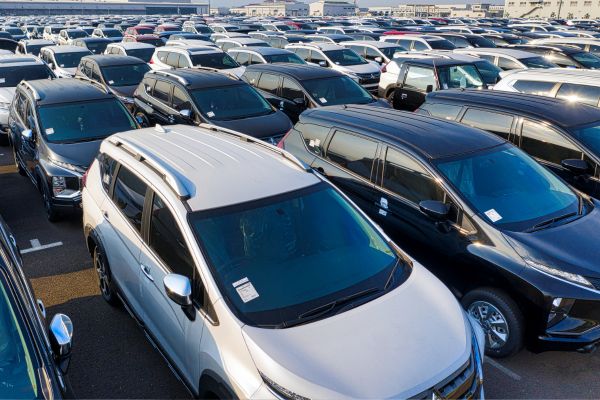
Another factor is access to newer models. Leasing cycles tend to be shorter, allowing companies to update their vehicles more frequently. This can be particularly useful for businesses that rely on presentation or need to maintain a modern image.
The Different Types of Leasing Arrangements
Not all business car leasing agreements are the same. The structure can vary depending on how much responsibility the company wants to take on and how it plans to use the vehicle.
One common option is contract hire, where the leasing company retains ownership of the vehicle throughout the term. The business simply pays for its use and returns it at the end. This arrangement is straightforward and often includes maintenance packages, which can reduce administrative effort.
Another approach is finance leasing. In this case, the business takes on more responsibility for the vehicle and may even benefit from its resale value at the end of the lease. It’s a slightly more involved arrangement, but it can offer greater flexibility in certain situations.
There’s also lease purchase, which sits somewhere between leasing and buying. The business makes monthly payments with the intention of owning the vehicle at the end. While it resembles traditional financing, it still carries the structure of a lease during the agreement period.
Each option reflects a different balance between control, responsibility, and long-term commitment.
Managing Costs and Budget Expectations
One of the reasons business car leasing feels appealing is the predictability it offers. Monthly payments are typically fixed, making it easier to plan budgets. This can be especially helpful for companies operating with tight margins or fluctuating income.
However, predictability doesn’t mean simplicity. There are still variables to consider. Mileage limits, maintenance responsibilities, and potential charges for excessive wear can all influence the overall cost.
It’s also worth noting that while leasing reduces upfront expenses, it doesn’t eliminate long-term financial commitments. The payments continue for the duration of the lease, and ending an agreement early can sometimes involve penalties.
For many businesses, the key is understanding how these costs align with their operational needs. A delivery company, for instance, might prioritize higher mileage allowances, while a consultancy firm might focus on presentation and comfort.
The Role of Maintenance and Responsibility
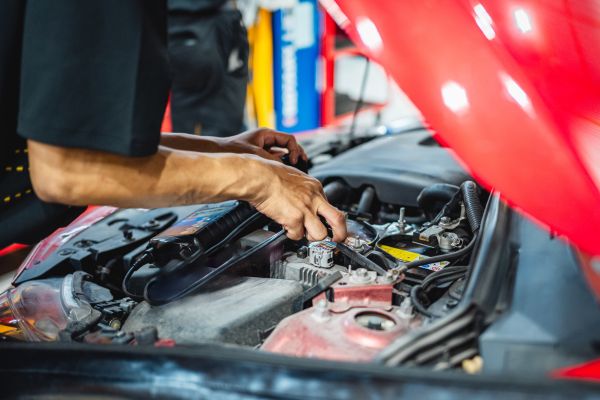
Maintenance is one of those aspects that often gets overlooked in early discussions about business car leasing. Yet it plays a significant role in the overall experience.
Some leases include maintenance packages, covering routine servicing and certain repairs. This can simplify operations, as the business doesn’t need to manage multiple service providers or worry about unexpected expenses.
Other agreements leave maintenance entirely in the hands of the business. While this might reduce monthly payments, it introduces a level of responsibility that requires planning and oversight.
The choice between these approaches often depends on the company’s internal capacity. Businesses with dedicated fleet managers may prefer handling maintenance themselves, while smaller teams might value the convenience of an all-inclusive arrangement.
Flexibility and Changing Business Needs
One of the understated advantages of business car leasing is its adaptability. Business needs rarely remain static. Teams grow, markets shift, and priorities evolve.
Leasing allows companies to adjust more easily. At the end of a lease term, they can reassess their requirements and choose vehicles that better fit their current situation. This might mean upgrading to larger models, switching to more fuel-efficient options, or even reducing the size of the fleet.
There’s also a growing interest in alternative fuel vehicles. Leasing can provide a way to explore electric or hybrid options without committing to long-term ownership. For businesses unsure about infrastructure or long-term viability, this flexibility can be particularly valuable.
Tax Considerations and Financial Perspective
While the specifics vary by region, business car leasing often comes with certain tax considerations. Lease payments may be treated as business expenses, potentially reducing taxable income.
This aspect can make leasing financially attractive, but it’s not always straightforward. The exact benefits depend on factors such as the type of lease, the vehicle’s emissions, and local tax regulations.
For many businesses, the decision isn’t driven solely by tax advantages but by a broader financial perspective. Leasing can improve cash flow, reduce capital expenditure, and align costs with usage. These factors often matter more in day-to-day operations than any single tax benefit.
Weighing the Pros and Cons
Like any financial arrangement, business car leasing comes with trade-offs. The absence of ownership means there’s no asset to sell at the end of the term. For some companies, this can feel like a limitation.
On the other hand, avoiding ownership also means avoiding the risks associated with depreciation and resale. The business isn’t tied to a vehicle’s long-term value, which can fluctuate unpredictably.
There’s also the question of commitment. Leasing agreements typically run for several years, requiring a degree of stability. Businesses that anticipate rapid changes may need to consider how easily they can adapt within the terms of the lease.
Ultimately, the decision often comes down to priorities. Is the focus on flexibility, cost management, or long-term value? The answer can shape the choice between leasing and other options.
The Human Side of Company Vehicles
It’s easy to think of vehicles purely in terms of numbers and logistics, but they also have a human dimension. For employees who spend significant time on the road, the quality and reliability of a vehicle can influence their daily experience.
Leased vehicles, often being newer models, can provide a level of comfort and efficiency that older owned vehicles might lack. This can subtly affect morale and productivity, even if it’s not always measured directly.
There’s also an element of perception. The vehicles a company uses can reflect its identity, whether that’s a focus on sustainability, innovation, or practicality. Leasing offers a way to align that image with evolving values.
Conclusion: Finding the Right Balance
Business car leasing is not a one-size-fits-all solution, nor is it a simple alternative to buying. It represents a different way of thinking about vehicles—one that emphasizes use over ownership and flexibility over permanence.
For some companies, this approach fits naturally with their operational style. For others, it may require a shift in perspective. The key lies in understanding how leasing aligns with broader business goals, from financial planning to employee experience.
In the end, the decision is less about choosing the “best” option and more about finding the right balance. Leasing offers a framework, but how it’s used depends entirely on the needs and priorities of the business itself.