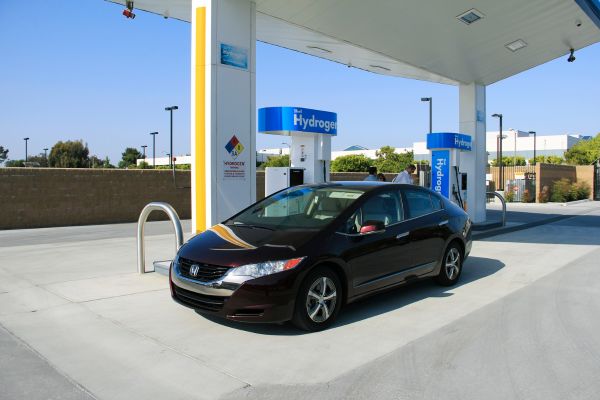
The future of transport is no longer a distant conversation. It is happening now, shaped by climate goals, urban air quality concerns, energy security, and rapid advances in automotive technology. Electric vehicles often dominate headlines, but they are not the only path being explored. Another technology has quietly continued to develop for decades: hydrogen fuel cells.
For many people, the idea sounds futuristic. A car powered by hydrogen that emits only water vapor can seem almost too neat to be real. Yet these vehicles already exist, operate on public roads, and continue to attract attention from engineers, governments, and fleet operators.
Understanding hydrogen fuel cell vehicles means looking beyond hype and skepticism alike. They are not magic, nor are they irrelevant. They represent one possible route toward cleaner mobility, with clear strengths and real challenges.
What Hydrogen Fuel Cell Vehicles Are
Hydrogen fuel cell vehicles use compressed hydrogen gas stored in onboard tanks. Inside the vehicle, a fuel cell combines hydrogen with oxygen from the air to generate electricity. That electricity powers an electric motor, which drives the wheels.
Unlike conventional combustion engines, there is no burning of gasoline or diesel inside the drivetrain. The primary byproduct of the fuel cell process is water.
In practical terms, these vehicles are electric vehicles—but instead of relying solely on a large battery charged from the grid, they create electricity onboard through hydrogen.
That distinction matters because it shapes refueling time, range, and infrastructure needs.
How the Driving Experience Feels
From behind the wheel, many hydrogen fuel cell vehicles feel similar to battery electric cars. They deliver smooth acceleration, quiet operation, and the instant torque electric motors are known for.
There is no engine vibration in the traditional sense. Power delivery tends to feel refined and responsive, especially in urban driving.
For many drivers, the biggest difference is not performance but refueling. Hydrogen tanks can typically be filled in a matter of minutes rather than requiring longer charging sessions.
That convenience is one reason the technology continues to interest certain users.
Why Hydrogen Appeals to Clean Transport Goals
Transportation remains a major source of emissions in many countries. Replacing fossil-fuel vehicles with lower-emission alternatives is a central climate strategy.
At the tailpipe, hydrogen fuel cell vehicles produce no carbon dioxide during operation. Their visible exhaust is often just water vapor.
This can make them attractive for cities seeking cleaner air, especially in sectors where zero tailpipe emissions matter greatly.
However, the full environmental story depends on how hydrogen itself is produced. That is where the discussion becomes more nuanced.
The Importance of Hydrogen Production
Hydrogen is an energy carrier, not a naturally available fuel source in usable free form. It must be produced using other energy inputs.
Today, much hydrogen is produced from natural gas through processes that can generate emissions unless paired with carbon capture. Hydrogen produced using renewable electricity through electrolysis is often called green hydrogen and is viewed as cleaner.
This means the sustainability of hydrogen fuel cell vehicles depends heavily on the upstream energy system supporting them.
A clean vehicle is only as clean as the fuel chain behind it.
Fast Refueling Is a Major Advantage
One of hydrogen’s most discussed benefits is speed. Filling a hydrogen tank can be closer in experience to fueling a gasoline car than waiting for many EV charging sessions.
For private drivers, this may feel convenient. For commercial fleets, taxis, buses, or logistics vehicles, reduced downtime can be especially valuable.
When vehicles need to stay in service rather than sit charging, fast refueling becomes more than convenience—it becomes operational efficiency.
This is why hydrogen often remains part of conversations around heavy-duty transport.
Driving Range Considerations
Many hydrogen vehicles are designed to offer competitive range between refueling stops. Because hydrogen stores significant energy by weight, it can be attractive where long distances are common.
That does not automatically make it superior in every use case, but range confidence matters to consumers and businesses alike.
Drivers who frequently cover long routes may appreciate fewer stops when infrastructure is available.
Infrastructure Remains the Biggest Challenge
Technology inside the vehicle is only part of the equation. Fuel availability matters just as much.
Hydrogen refueling networks remain limited in many countries. Stations are expensive to build, technically demanding, and sparse compared with gasoline stations or expanding EV charging networks.
This creates a classic chicken-and-egg problem. Consumers hesitate to buy vehicles without stations. Investors hesitate to build stations without vehicles.
Among all issues facing hydrogen fuel cell vehicles, infrastructure is often the most decisive.
Cost and Complexity Questions
Fuel cells use advanced materials and systems that can be costly. High-pressure storage tanks, thermal management, and specialized components add complexity.
Vehicle prices, maintenance considerations, and hydrogen fuel costs all influence adoption.
As production scales and technology matures, costs may improve, but economics remain central to long-term success.
Consumers rarely choose technology on environmental ideals alone. Value matters.
Hydrogen vs Battery Electric Vehicles
These technologies are often framed as rivals, but they may serve different roles.
Battery electric vehicles are increasingly strong for personal cars, urban commuting, and markets with robust charging networks. They benefit from growing infrastructure and falling battery costs.
Hydrogen may prove useful in niches where fast refueling, longer range, payload sensitivity, or continuous operation matter more.
Buses, trucks, trains, industrial fleets, and some commercial applications are frequently discussed in this context.
The future may involve multiple solutions rather than one universal winner.
Safety Considerations
Hydrogen is flammable, which naturally raises questions. However, so are gasoline and other fuels. Modern hydrogen vehicles are engineered with reinforced tanks, leak detection systems, crash protections, and strict safety standards.
Public perception sometimes lags behind engineering reality.
Every energy system carries risks. The question is how well those risks are managed.
Global Interest and Policy Support
Several countries continue investing in hydrogen strategies as part of wider energy transitions. Interest often extends beyond cars into industry, shipping, aviation research, power storage, and freight transport.
That broader ecosystem matters because vehicle success may depend on hydrogen demand across multiple sectors, not passenger cars alone.
When industries share infrastructure and fuel supply, economics can improve.
Are Hydrogen Cars the Future?
The honest answer is more complicated than yes or no.
They may not dominate personal car markets everywhere. Battery EV momentum is significant. Yet dismissing hydrogen entirely may ignore its potential strengths in selected sectors and regions.
Technologies often succeed not by replacing everything, but by solving specific problems well.
Conclusion
Hydrogen fuel cell vehicles offer a compelling vision: electric driving, quick refueling, and zero tailpipe emissions. They demonstrate that clean mobility can take more than one form. Their strengths in range, refueling speed, and certain commercial uses keep them relevant in serious transport discussions.
At the same time, infrastructure gaps, fuel production methods, and cost challenges remain substantial. Hydrogen is not a shortcut around the energy transition. It is one pathway within it.
Whether these vehicles become mainstream or remain specialized, they have already helped expand the conversation about what clean transportation can look like.