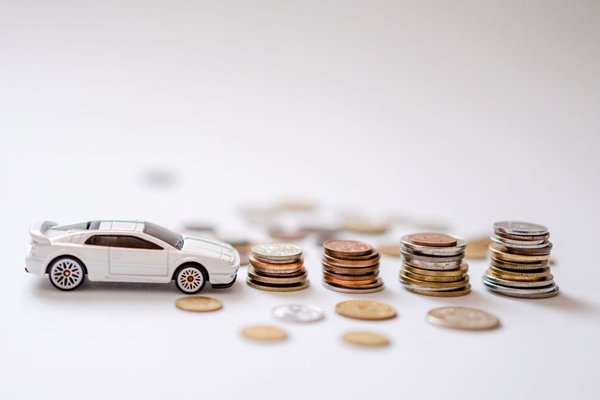
New-car financing is still expensive enough in 2026 that the interest rate deserves as much attention as the sticker price. A difference of only a few percentage points can change the total cost of a vehicle by thousands of dollars over a five- or six-year loan. The good news is that average rates have eased from some recent highs, and borrowers with strong credit can still qualify for meaningfully better terms than the market average.
Experian reported an average new-car loan rate of 6.39% in the first quarter of 2026. That figure is useful as a benchmark, not a promise. Your actual offer can be lower or much higher depending on your credit profile, income, down payment, loan term, vehicle, lender and any manufacturer financing promotion.
What are average new car loan rates in 2026?
The average car loan APR in 2026 sits in the mid-single digits for new vehicles overall, but credit tier makes a major difference. Experian’s first-quarter data showed average new-car APRs of about 4.55% for super-prime borrowers with scores of 781 or higher, 6.23% for prime borrowers from 661 to 780, 9.67% for near-prime borrowers from 601 to 660, 13.44% for subprime borrowers from 501 to 600, and 16.01% for deep-subprime borrowers from 300 to 500.
These are averages across financed purchases, not rate cards that every lender must follow. A buyer with excellent credit may receive a promotional rate below the super-prime average on an eligible model, while another borrower in the same score range may receive a higher quote because of debt, income, loan amount or term.
Why your credit score affects the rate so much
Auto lenders price loans according to risk. A stronger credit history generally signals a lower likelihood of missed payments, so lenders can offer a lower rate. Your score is important, but lenders also look beyond the number itself. Recent late payments, a thin credit file, high existing debt or unstable income can affect the final offer.
Before applying, review your credit reports and correct genuine errors. Even a small improvement may help if it moves you into a stronger pricing tier, although there is no universal score at which every lender suddenly offers the same rate.
APR matters more than the advertised interest rate
When comparing auto financing rates, compare APR with APR. The interest rate is the cost charged for borrowing the principal, while the annual percentage rate can reflect the interest rate plus certain loan fees. Two loans can therefore advertise similar interest rates but have different overall borrowing costs.
Before signing, read the Truth in Lending disclosure and check the APR, finance charge, amount financed, total of payments and monthly payment. A low monthly payment can look attractive while hiding a longer term and much higher total interest cost.
How loan term changes the real cost
Longer loans can make an expensive car appear affordable because they spread the balance across more payments. The trade-off is that you usually pay interest for longer and may stay upside down on the vehicle for more time.
Consider a $40,000 loan as a simple example. At 6.5% APR for 60 months, the payment is roughly $783 per month and total interest is about $7,000. Stretching the same balance to 72 months lowers the payment to roughly $672, but total interest rises to about $8,400. The exact figures depend on the final APR and loan structure, but the pattern is what matters: a smaller payment does not automatically mean a cheaper loan.
How to qualify for a lower car loan rate
Check your credit before shopping
Review your reports early enough to fix errors before a lender pulls your credit. Pay bills on time and avoid taking on unnecessary new debt immediately before applying. If your credit-card balances are unusually high, reducing them may also strengthen your overall credit profile.
Get preapproved before visiting the dealership
A bank or credit-union preapproval gives you a real financing benchmark before you discuss monthly payments with a dealer. The Consumer Financial Protection Bureau recommends comparing offers before going to the dealership. If dealer financing beats your preapproval, you can take the better deal; if it does not, you already have an alternative.
Shop several lenders in a short window
Rate shopping is worth the effort because lenders can price the same borrower differently. Credit-scoring models generally treat multiple auto-loan inquiries made within a limited shopping period as one rate-shopping event. Keeping applications close together also makes the comparisons more meaningful because market conditions have not had much time to change.
Use a larger down payment when it fits your budget
Putting more money down reduces the amount financed and can improve the lender’s risk position. It also lowers the chance that you owe more than the car is worth. Do not empty your emergency savings simply to chase a slightly better APR, but a sensible down payment can reduce both the balance and total interest.
Do manufacturer promotional rates beat bank loans?
Sometimes. Automakers may advertise very low APR offers on selected new models, often for borrowers with excellent credit and for shorter terms. Those deals can be cheaper than normal car loan interest rates, but compare the full purchase. A subsidized APR may be offered instead of a cash rebate, so the best choice depends on the vehicle price, incentive and amount financed.
Ask for the out-the-door price before focusing on financing. Then compare the promotional loan with your outside preapproval using the same down payment and term.
Frequently asked questions
Is 6% a good new car loan rate in 2026?
A 6% rate is close to the overall new-car market average reported in early 2026 and can be competitive for a prime borrower. Buyers with excellent credit may qualify for lower rates, especially through promotional financing.
What credit score is usually needed for the best rates?
The lowest average rates generally go to borrowers in the strongest credit tiers. Experian’s super-prime category begins at 781, but lenders use different scoring models and underwriting rules, so the score alone does not guarantee a specific offer.
Should I finance for 60 or 72 months?
A 60-month loan usually costs less overall if the payment fits comfortably in your budget. A 72-month term lowers the monthly payment but normally increases total interest and can keep you in negative equity longer.
Can I negotiate an auto loan rate?
Yes. Dealer-arranged financing can often be negotiated. Arriving with a bank or credit-union preapproval gives you a concrete rate to compare and can strengthen your position.
Focus on the total cost, not just the monthly payment
New car loan rates in 2026 are manageable for strong borrowers but still high enough to reward careful shopping. Use the 6.39% market average as a reference point, then compare real preapprovals based on your own credit profile. Check the APR, loan term, amount financed and total interest together. Related topics worth reviewing before you buy include how to compare auto loan offers, how much car you can afford and how down payments affect financing.