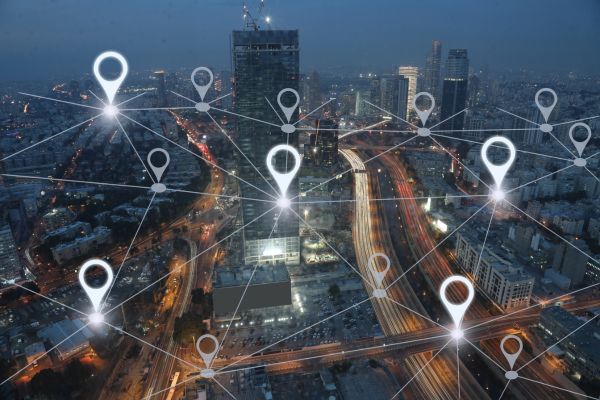
Modern transportation runs on timing, coordination, and visibility. Whether it’s a delivery van navigating crowded city streets or a long-haul truck crossing multiple regions, fleet operations depend on knowing where vehicles are, how they are performing, and whether routes are running efficiently. That’s where fleet tracking solutions have quietly transformed the logistics landscape.
What began as a simple way to locate vehicles through GPS has evolved into a much broader system of telematics, data analysis, driver monitoring, and operational planning. Today, fleet managers are no longer relying on paper logs, radio check-ins, or guesswork. Instead, they use connected platforms that combine navigation, diagnostics, and real-time communication into a single operational view.
The technology itself isn’t particularly flashy. In fact, the best fleet systems often work in the background, reducing delays, improving fuel efficiency, and helping organizations understand how their vehicles behave in real-world conditions.
Understanding the Basics of Fleet Tracking
At its core, fleet tracking refers to the process of monitoring vehicles using GPS and telematics technology. A small device installed in a vehicle collects location data and sends it to centralized software through cellular or satellite networks.
That sounds straightforward, but modern systems do much more than display dots moving across a map.
Most fleet tracking solutions also monitor engine health, speed patterns, fuel usage, idle time, route history, braking behavior, and maintenance schedules. Some systems even integrate with dash cameras, temperature sensors, or driver mobile apps.
The result is a living stream of operational data that helps businesses understand not only where vehicles are, but how effectively they are being used.
For industries that depend on transportation, this visibility has become almost essential. Delivery services, construction companies, utility providers, public transportation networks, and emergency response teams all rely on some form of tracking technology to coordinate movement and reduce uncertainty.
How GPS and Telematics Work Together
People often use GPS tracking and telematics interchangeably, although they’re slightly different concepts.
GPS technology provides location data. It answers the simple question: where is the vehicle?
Telematics expands on that idea by collecting operational information from the vehicle itself. This includes engine diagnostics, fuel consumption, acceleration patterns, and other performance metrics.
Together, they create a more complete picture of fleet activity.
A vehicle traveling an inefficient route, for example, may not immediately appear problematic on a map. But telematics data could reveal excessive idling, harsh braking, or abnormal fuel use. That information allows managers to identify patterns that affect costs and vehicle wear over time.
In many ways, telematics shifted fleet tracking from passive observation to active operational management.
The Growing Role of Real-Time Visibility
One reason fleet tracking solutions have become so widespread is the increasing pressure for real-time responsiveness. Customers expect accurate delivery windows. Dispatchers need fast rerouting during traffic congestion. Service providers often operate on tight schedules where delays can ripple through an entire day.
Real-time tracking helps reduce those disruptions.
If a vehicle encounters road construction or severe weather, routes can be adjusted immediately. Dispatchers can identify the closest available driver for urgent tasks. Drivers themselves often receive navigation updates that reduce unnecessary mileage.
There’s also a psychological effect at play. Teams operating with shared visibility tend to communicate more efficiently because everyone is working from the same information.
That doesn’t mean technology eliminates operational stress entirely. Traffic remains unpredictable, vehicles still break down, and schedules still shift. But real-time data narrows the gap between what managers assume is happening and what is actually happening on the road.
Fuel Efficiency and Operational Costs
Fuel expenses remain one of the largest operational costs for transportation-heavy industries. Even small inefficiencies add up quickly across large fleets.
Fleet tracking solutions help identify behaviors that contribute to unnecessary fuel consumption. Long idle periods, inefficient routing, aggressive acceleration, and speeding all affect fuel economy.
Sometimes the data reveals surprisingly ordinary issues. Drivers leaving engines running during deliveries. Repeated use of congested routes. Maintenance delays causing reduced engine efficiency.
By identifying patterns instead of isolated incidents, organizations can make practical adjustments without dramatically changing operations.
This shift toward data-informed efficiency has become especially important as fuel prices fluctuate and environmental concerns continue to shape transportation policy worldwide.
Interestingly, many businesses initially adopt tracking systems for security reasons but later discover that operational savings become the larger long-term benefit.
Driver Behavior and Safety Monitoring
Fleet safety has changed significantly in the digital era. Traditionally, companies relied heavily on incident reports or driver self-reporting to evaluate road safety. Now, telematics systems provide measurable driving data in real time.
Harsh braking, rapid acceleration, sharp cornering, and speeding events can all be tracked automatically.
This creates both opportunities and challenges.
On one hand, organizations can use the information to improve training and reduce accident risks. Safer driving habits often lower maintenance costs and insurance claims while improving fuel efficiency at the same time.
On the other hand, continuous monitoring raises concerns about workplace privacy and employee trust. Drivers may feel uncomfortable knowing that routes and behaviors are constantly being recorded.
The most effective fleet programs tend to treat tracking as a collaborative safety tool rather than a disciplinary system. When drivers understand that the goal is operational improvement rather than constant surveillance, adoption becomes smoother.
Technology alone rarely improves workplace culture. How organizations implement that technology matters just as much.
Maintenance Planning Through Connected Data
Vehicle maintenance used to follow fairly rigid schedules based on mileage or time intervals. While those systems still exist, connected fleet technology allows for more condition-based maintenance planning.
Modern fleet tracking solutions can monitor engine diagnostics and alert operators to emerging mechanical issues before they become serious failures.
A vehicle showing signs of battery weakness, abnormal engine temperatures, or brake wear can be serviced proactively rather than after a roadside breakdown occurs.
This predictive approach reduces downtime and helps organizations avoid the logistical chaos that unexpected repairs often create.
It also changes the way maintenance teams work. Instead of reacting to emergencies, they can prioritize repairs based on actual operational data.
For fleets operating across large geographic areas, this level of planning can significantly improve vehicle availability and scheduling consistency.
The Rise of Integrated Navigation Systems
Navigation technology has become deeply integrated into fleet operations. Earlier systems focused mainly on directions, but today’s platforms combine navigation with traffic analysis, delivery sequencing, fuel optimization, and dispatch coordination.
Drivers may receive routes designed specifically for commercial vehicles, avoiding low bridges, restricted roads, or congestion-heavy corridors.
Some systems automatically adjust routes throughout the day as traffic conditions change. Others coordinate multiple stops to reduce unnecessary mileage and delivery overlap.
This evolution reflects a larger shift in transportation technology. Navigation is no longer just about getting from one place to another. It has become a strategic tool for efficiency management.
Even small improvements in routing can produce noticeable savings when multiplied across dozens or hundreds of vehicles operating daily.
Data Privacy and Ethical Questions
As fleet tracking technology expands, questions about data ownership and privacy continue to grow.
Who controls driver data? How long should location histories be stored? What level of monitoring is reasonable during non-working hours?
These concerns are becoming more relevant as tracking systems grow increasingly sophisticated.
Some organizations now establish clear usage policies explaining when tracking is active, what information is collected, and how long data is retained. Transparency helps reduce misunderstandings and builds trust between employers and drivers.
Regulations around telematics and employee monitoring also vary between regions, adding another layer of complexity for multinational operations.
Technology often advances faster than workplace norms or legislation. Fleet tracking sits squarely within that tension.
The Future of Fleet Tracking Solutions
The future of fleet management will likely involve even deeper integration between vehicles, infrastructure, and cloud-based analytics.
Artificial intelligence is already being used to predict route delays, optimize fuel usage, and identify maintenance risks before drivers notice symptoms themselves. Electric vehicle adoption is also changing how fleets are monitored, introducing battery performance tracking and charging optimization into daily operations.
Autonomous vehicle development may eventually push fleet tracking into an entirely different phase, where vehicles continuously communicate with centralized systems and surrounding infrastructure without direct driver input.
Still, despite all the technical advancements, the underlying goal remains surprisingly simple: helping transportation systems operate more smoothly, safely, and predictably.
The tools may become smarter, but the operational challenges remain very human.
Conclusion
Fleet tracking solutions have evolved far beyond simple vehicle location systems. They now sit at the center of modern transportation management, connecting navigation, telematics, maintenance, safety, and operational planning into a unified process.
What makes these systems valuable isn’t merely the technology itself, but the clarity they provide in environments where timing and coordination matter constantly. Real-time visibility helps organizations respond faster, reduce inefficiencies, and make better decisions under pressure.
At the same time, the growth of connected vehicle systems raises important conversations about privacy, workplace trust, and responsible data use. Like most technologies, fleet tracking works best when paired with thoughtful implementation and realistic expectations.
As transportation networks continue to evolve, fleet tracking solutions will likely become even more integrated into everyday operations. Quietly, almost invisibly, they are reshaping how vehicles move through the modern world.