A head gasket can fail quietly before an engine suffers a dramatic breakdown. One week, the car seems normal; the next, it is losing coolant, running hot or stumbling at startup. Recognising blown head gasket symptoms early matters because a contained sealing problem can become serious engine damage if the car keeps overheating.
There is no single sign that proves the gasket has failed. The useful clue is how several symptoms fit together, particularly coolant loss, unusual exhaust, cooling-system pressure and misfires.
Why a Head Gasket Causes Different Symptoms
The head gasket sits between the engine block and cylinder head. It seals combustion pressure inside the cylinders while keeping coolant and engine oil in separate passages. A failure can connect any of those areas. That is why one driver sees white exhaust while another finds coolant in oil or notices lost power.
Common Blown Head Gasket Symptoms
Engine Overheating or Repeated Temperature Spikes
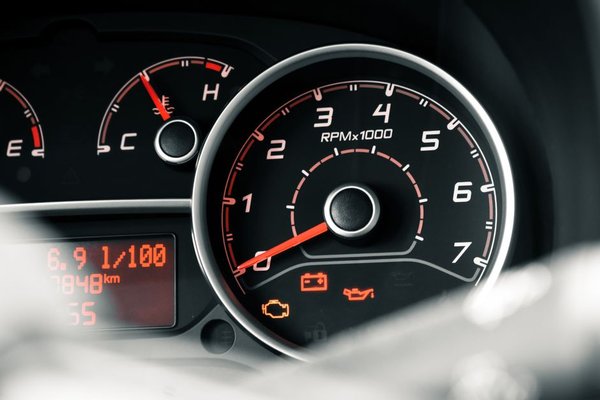
Persistent overheating is one of the most concerning head gasket failure signs. Escaping combustion gases may pressurise the cooling system, while leaking coolant reduces its ability to remove heat. The temperature gauge may climb during a journey or fluctuate after the engine warms up.
Overheating can also start with a failing water pump, thermostat, radiator fan or coolant hose. The original cooling problem may then damage the gasket, so identifying the sequence matters.
Coolant Disappearing Without an Obvious Puddle
If the expansion tank repeatedly drops below its normal cold level but the ground stays dry, coolant may be entering a combustion chamber. It can leave through the exhaust instead of dripping beneath the car.
Some external leaks evaporate on hot engine parts, however. Check the level only with the engine cool and compare it over several days; never remove a hot radiator or pressurised coolant cap.
Thick White Exhaust After Warm-Up
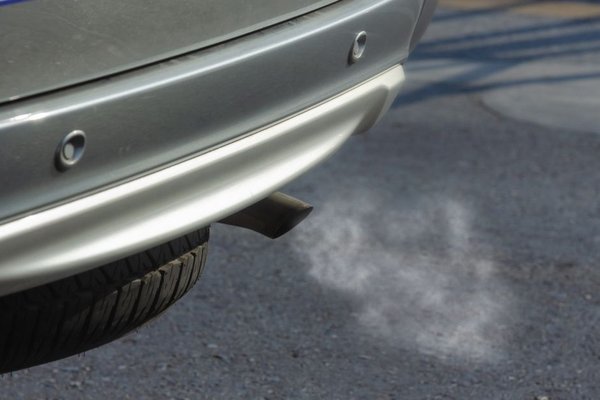
Coolant entering a cylinder can produce persistent white vapour from the tailpipe, sometimes accompanied by a sweet smell. This is more suspicious when the engine is fully warm and the coolant level is falling.
A brief white cloud on a cold morning is often harmless condensation. A sweet odour alone does not establish a diagnosis. Focus on persistence and accompanying symptoms rather than exhaust colour by itself.
Bubbles or Abnormal Pressure in the Coolant Reservoir
When cylinder pressure escapes into cooling passages, combustion gases in coolant can create continuous bubbling or force coolant into the overflow tank. Hoses may become excessively pressurised, and coolant may be pushed out without an ordinary leak.
Occasional bubbles during normal warming and bleeding procedures are not proof of failure. Do not open the system while hot; a technician can test for combustion gases safely.
Milky Oil or Oily Coolant
A breach between oil and coolant passages can leave creamy, tan contamination on the dipstick or an oily film in the coolant reservoir. Coolant in oil is especially dangerous because diluted lubricant may no longer protect bearings and other moving surfaces effectively.
Pale residue only under the oil filler cap can arise from condensation, particularly on cars used for short trips. Milky oil on the dipstick, a rising oil level or accompanying symptoms deserves urgent attention.
Rough Idle, Misfires and Reduced Power
Another group of blown gasket symptoms comes from lost cylinder compression or coolant entering a cylinder. The engine may shake at idle, misfire shortly after a cold start or struggle under acceleration. A check-engine light may appear, sometimes flashing if misfires are severe.
For example, a car that starts roughly each morning, briefly emits white vapour and needs frequent coolant top-ups has a more convincing pattern than a car with an isolated rough idle. Ignition and fuel faults can also cause misfires.
Oil or Coolant Leaking at the Engine Seam
Fluid may escape externally where the cylinder head meets the block. Look for staining around that joint, but remember that valve-cover gaskets and nearby hoses often leak in similar places. The source needs inspection before replacing major engine parts.
Why These Signs Do Not Always Mean a Blown Gasket
Several faults can imitate head gasket failure. A thermostat stuck closed causes overheating; a leaking heater core lowers coolant; condensation can resemble white smoke; and a cracked cylinder head can produce almost the same pattern as a damaged gasket.
Rather than treating each symptom as a verdict, ask whether coolant loss, exhaust changes, overheating and poor running appeared together. Guides to engine overheating causes and engine misfire symptoms can help separate possibilities, but testing is still essential.
How Mechanics Confirm the Problem
A workshop usually begins by checking coolant, external leaks, fault codes and evidence of contamination. A cooling-system pressure test can reveal leaks. A chemical block test checks for combustion gases in the coolant, providing evidence of a combustion-to-cooling-system breach.
Compression and cylinder leak-down tests may identify pressure escaping from a particular cylinder. A technician may inspect spark plugs or use a borescope to look for an unusually clean cylinder or traces of coolant. Results need interpreting together: a cracked head can cause similar readings, and a small intermittent leak may evade one test.
If a major repair is planned, the cylinder head should be inspected for warping and cracks after removal. That establishes whether replacing the gasket alone will solve the problem.
What to Do When You Suspect Head Gasket Failure
If the temperature warning comes on, steam appears or the engine runs severely rough, pull over somewhere safe, switch off the engine and arrange recovery. Do not continue driving to see whether the problem clears, and never loosen a hot coolant cap.
With the engine cool, you can note the coolant level, check the dipstick and describe when symptoms occur. Those observations are useful to a mechanic. A head gasket sealer is not a dependable substitute for diagnosis or repairing damaged components. For related checks, see a guide to checking engine coolant safely.
Frequently Asked Questions
Can a blown head gasket happen without white smoke?
Yes. A leak may release combustion pressure into the cooling system without sending much coolant into the cylinders. Unexplained coolant loss, pressure buildup, overheating or reduced compression may appear first.
Will a car still start with a blown head gasket?
Often it will, especially when the leak is small. It may start roughly or misfire, but starting normally does not rule out gasket damage. Severe failure can eventually prevent reliable starting.
Does milky oil always mean the head gasket is blown?
No. Moisture condensation can collect beneath the oil filler cap, and other faults can mix fluids. Contamination on the dipstick alongside coolant loss is more concerning and should be examined promptly.
Can I drive a short distance with these symptoms?
Driving is not recommended when gasket failure is suspected, particularly with overheating, contaminated oil or severe misfires. Further heat and lubrication damage can make repairs more expensive. Recovery to a repair shop is safer.
The Bottom Line
Blown head gasket symptoms are best understood as a pattern, not a checklist where one tick means certain failure. Watch for disappearing coolant, persistent white exhaust, abnormal bubbling, milky oil, overheating and compression-related running problems. Early professional testing may prevent a failed seal from becoming a ruined engine.