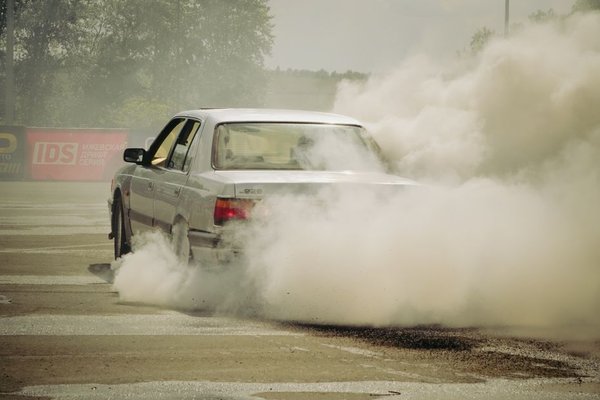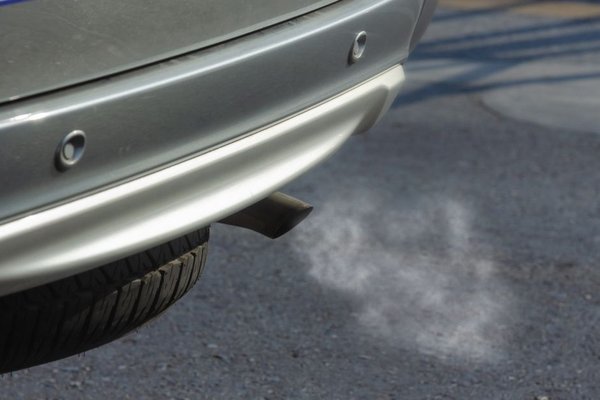
Black smoke from exhaust is more than an unpleasant cloud behind your car. It is usually a clue that fuel is not burning cleanly. The engine may be receiving too much fuel for the available air, struggling to draw in enough oxygen, or failing to mix and burn fuel properly. The underlying problem can be a blocked filter or a more involved injector or turbocharger fault.
The useful question is not just what colour the smoke is, but when it appears. A diesel that smokes while climbing a hill needs a different diagnostic approach from a petrol car that produces dark smoke at idle.
What black exhaust smoke actually means
Black exhaust smoke contains soot formed during incomplete combustion. In a petrol engine, it often points towards a rich fuel mixture: more fuel is being supplied than can be burned efficiently. An engine running rich may also have poor fuel economy, a strong fuel smell or rough running.
Diesels work differently. They normally operate with excess air, but local fuel-rich areas can produce soot when injection quality, airflow or combustion conditions are poor. That is why diesel black smoke often leads mechanics to check injectors, boost pressure and intake restrictions rather than assuming one failed sensor.
Start with the moment the smoke appears
Smoke when accelerating or towing
Under heavy load, an engine needs more air and fuel. If a turbocharged diesel produces black smoke alongside weak acceleration or a hissing noise, inspect the boost system. A split intercooler hose may allow pressurised air to escape while the engine continues delivering fuel for the requested power.
Smoke while idling
Persistent smoke at idle can suggest an injector that leaks or delivers fuel poorly, incorrect fuel pressure, or an engine-management issue. Rough idle and a fuel smell strengthen the case for checking fuelling rather than blaming driving style.
Smoke only at start-up
A brief puff on an older diesel is not the same as continuous smoke. However, repeated heavy clouds, especially with hard starting or warning lights, deserve investigation. On a modern diesel with a functioning particulate filter, obvious recurring black tailpipe smoke is particularly abnormal.
Common black exhaust smoke causes
Restricted air filter or intake
A heavily clogged air filter can limit oxygen reaching the cylinders. Damaged intake ducting or blocked passages can have similar effects. Inspect the filter for severe dirt or collapse and check accessible intake hoses for loose joints. A slightly dusty filter alone is not proof of the fault.
Incorrect airflow and temperature sensor data
The engine computer uses sensors such as the mass airflow sensor, manifold pressure sensor and coolant temperature sensor to calculate fuelling. Incorrect readings can lead to the wrong amount of fuel. Petrol engines also use oxygen-sensor feedback to adjust mixture under appropriate operating conditions.
Sensor trouble codes are clues, not instructions to buy parts. An intake leak, wiring fault or contaminated connector can produce misleading readings. Live diagnostic data helps distinguish a faulty sensor from the condition it reports.
Leaking injectors or fuel-pressure faults
Injectors must deliver the correct quantity of fuel in a controlled spray. One that leaks, sticks or atomises poorly can cause soot, rough running and excessive consumption. On some petrol systems, a faulty pressure regulator can contribute to overfuelling. Diesel common-rail systems require specialist tests; their high-pressure components should never be loosened for home diagnosis.
Turbocharger and boost-system problems
Turbochargers compress intake air, allowing more fuel to burn cleanly under load. A boost leak, sticking turbo control mechanism or worn turbocharger may leave the engine short of air. Black smoke, reduced power and unusual whistling often make boost measurement more useful than immediately replacing injectors. The symptoms overlap with other signs of a failing turbocharger.
EGR, combustion and exhaust-system faults
On some diesels, an exhaust gas recirculation valve stuck in an inappropriate position can reduce fresh-air availability and increase soot. Poor compression or injection-timing faults can affect combustion. A diesel particulate filter traps soot downstream; excess soot production can overload it, while visible smoke on a filter-equipped car may warrant checking filter integrity and the wider emissions system.
Petrol and diesel vehicles need different checks
For a petrol car, diagnosis often begins with fuel-trim readings, misfire information, oxygen-sensor behaviour and fuel-pressure testing. Modern petrol engines usually compensate for ordinary changes in intake airflow, so a dirty filter does not automatically prove a rich condition. If the engine shakes, checking common engine misfire symptoms can provide useful context.
For a diesel, a technician may compare requested and actual boost pressure, airflow readings, injection corrections and emissions-system data. A brief haze from an older diesel under load is different from sustained black smoke. Newer filter-equipped vehicles should not routinely emit visible soot.
A sensible diagnosis before replacing parts
First, record when the smoke happens: cold or warm, idle or acceleration, and whether it began after servicing or repairs. Note warning lights, reduced power, fuel consumption and hissing sounds.
With the engine off and cool, inspect the air-filter housing and visible intake hoses. Do not reach into moving components or work on hot turbocharger parts. Next, have fault codes and live engine data checked with a suitable scan tool. A code naming a sensor may reflect an air leak or wiring problem.
Consider a diesel SUV that smokes heavily only when joining a motorway and feels sluggish. Its filter looks serviceable, but a boost hose has split underneath. Testing intake pressure and repairing the leak addresses the missing air; changing the injectors would not. This is why checking the smoke pattern before ordering parts matters.
Can you keep driving with black smoke?
Persistent black smoke should not be ignored. It can mean wasted fuel, increased particulate emissions and potential damage to emissions components. Arrange an inspection promptly and avoid hard acceleration or towing until the cause is known. If the car loses substantial power, overheats, runs dangerously roughly or shows a serious warning, stop safely and seek professional assistance.
Frequently asked questions
Does black smoke always mean the engine is running rich?
No. A rich mixture is a common explanation in petrol engines, but diesel smoke may arise from poor atomisation, insufficient boost, restricted airflow or other combustion faults. The smoke indicates soot, not a confirmed diagnosis.
Can a blocked air filter cause black exhaust smoke?
Yes, a severe restriction can reduce available air, particularly under load. Inspecting the filter is a reasonable first step, but check the rest of the intake and use diagnostic data before deciding it is the only problem.
Why does my diesel produce black smoke when accelerating?
Possible causes include a boost leak, underperforming turbocharger, excessive fuelling or worn injectors. The pattern is especially telling if smoke appears together with a drop in power.
The bottom line
Black smoke from exhaust is a visible sign that combustion needs attention. Match the smoke pattern to the engine type, inspect obvious airflow issues, and test fuel delivery, sensors and turbo boost as needed. If the colour is uncertain, comparing different exhaust smoke colours can help separate soot from oil- or coolant-related symptoms.